
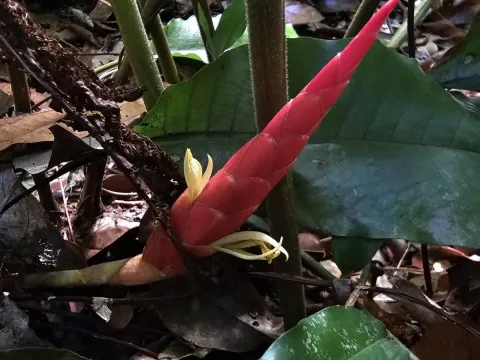
Zingiber puberulum
Zingiber puberulum
Zingiber puberulum is a herbaceous perennial plant belonging to the Zingiberaceae family. Botanically, it is distinguished by the fine, soft hairs on its stems and leaves, a feature that characterizes this specific species within the diverse ginger genus.
What the section contains
Zingiber puberulum
Native to the humid tropical forests of Southeast Asia, this crop requires specific environmental conditions to thrive. It prefers warm, stable temperatures, typically between 22°C and 30°C, and performs best in filtered light or partial shade to mimic its natural forest habitat.
The soil requirements for Zingiber puberulum include a well-draining, nutrient-rich substrate. High organic content is essential for optimal growth, while a loose soil texture ensures that the rhizomes can expand without facing physical resistance or waterlogging issues.
Humidity management is a critical aspect of its care. In cultivation settings, maintaining atmospheric moisture levels of at least 70% is necessary to prevent leaf desiccation. Regular, gentle watering should be maintained to keep the soil consistently moist but never waterlogged.
The plant has significant potential in both culinary and medicinal applications. Local traditions utilize its rhizomes for their aromatic properties and bioactive compounds, making this species a subject of interest for sustainable agricultural development and spice production.
The primary threats to Zingiber puberulum include various fungal pathogens that target the rhizome system. Species such as Pythium and Fusarium are particularly prevalent in overly wet soil conditions, leading to rapid decay of the underground parts.
Insect pests commonly affecting this plant include spider mites and mealybugs. These pests thrive in dry environments and can quickly sap the plant's vitality, leading to chlorosis and stunted growth of the main vegetative stalks.
Effective management begins with preventative cultural practices, such as ensuring proper spacing between plants to improve airflow. This practice reduces the risk of humidity pockets where fungal spores often germinate and thrive.
Biological control agents, including predatory mites or beneficial fungi, are recommended for managing pest outbreaks without compromising the safety of the rhizomes for future consumption. Avoid excessive reliance on synthetic pesticides that may leave residues.
Routine inspections are essential for early detection of disease symptoms, such as necrotic leaf spots or softening of the stem base. Swift removal of infected tissues can prevent the further spread of infections across the plantation area.