
Myoga
Zingiber mioga
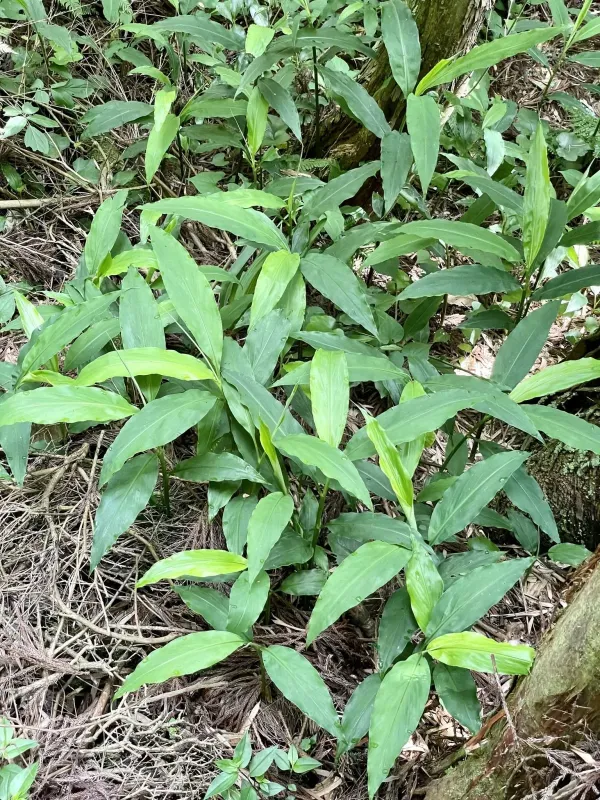
Description
Sowing dates
Myoga is a perennial herbaceous plant of the Zingiberaceae family, primarily propagated vegetatively by dividing rhizomes. Planting is carried out in early spring when the soil temperature reaches 10–12 degrees Celsius.
For a successful start, it is important to plant the rhizome divisions deep into fertile, well-drained soil. The optimal time for transplanting into open ground is after the risk of night frost has passed, as the plant is sensitive to low temperatures.
The planting scheme requires sufficient space between plants, as myoga forms dense thickets as it grows. The optimal density is approximately 4–6 plants per square meter.
In regions with colder climates, myoga is often grown in greenhouses or containers, allowing better control over the growing season. Under these conditions, planting can be done earlier to encourage faster vegetative growth.
Selecting healthy, strong rhizomes without signs of rot or physical damage is essential for a successful crop. Since the plant has a slow initial growth rate, the planting site should be kept free of weeds.
Growing requirements
Myoga is a shade-tolerant plant that prefers growing in dappled light under a canopy. Direct sunlight can cause leaf scorching and soil dehydration, which negatively affects the overall yield.
The crop has specific soil requirements: it needs rich, organic, loose, and moisture-retentive soil. An optimal pH level ranges from neutral to slightly acidic, promoting better nutrient uptake.
Soil moisture is a critical factor for development. Myoga requires regular watering, especially during dry spells; however, waterlogging must be avoided to prevent rhizome rot.
The temperature regime should be moderate. While the plant can withstand light frost, it requires a comfortable, warm growing season for flower bud formation without extreme temperature fluctuations.
Mulching the soil surface around the clumps is an essential cultivation practice. It helps retain moisture, suppresses weeds, and protects the sensitive root system from overheating during the hot summer months.
Yield
The primary part harvested is not the roots but the unopened flower buds that form at the base of the stems. They have a dense texture and a distinct, spicy ginger-like aroma.
Yield depends on the age of the plantation and the quality of care. By the second and third year after planting, the clump becomes highly productive, forming numerous flower stalks hidden in the soil or mulch.
With intensive cultivation and maintained soil fertility, one can achieve stable yields for many years from the same plot without the frequent need for replanting.
In culinary terms, myoga is valued as a spice: both the flower buds and young shoots are edible. They add a unique flavor profile to dishes, combining mild ginger notes with delicate piquancy.
Proper harvest organization allows for an extended supply period. Under favorable conditions, the harvest season can last for several weeks in late summer and early autumn.
Main diseases and pests
Common diseases of myoga include fungal infections related to excessive humidity and poor air circulation. Root rot may occur if watering practices are incorrect or drainage is insufficient.
Pests such as slugs and snails frequently damage the young, tender shoots and flower buds, particularly during wet weather. Control requires regular monitoring and the use of physical barriers.
Leaf spot diseases can also occur, often triggered by stagnant microclimates. Ensuring good ventilation and avoiding overcrowded plantings is crucial for plant health.
Agronomists recommend practicing crop rotation and avoiding sites with previous history of soil-borne diseases. Biological control agents have shown good effectiveness in managing these issues.
Maintaining plot hygiene, including the removal of plant debris in the autumn, significantly reduces the risk of pathogen buildup and pest prevalence in the following season.
Harvesting
Harvesting is done manually by carefully shifting the soil or mulch at the base of the plant to reveal the young, unopened buds. It is vital not to damage the main shoots or rhizome during extraction.
The best time for harvest is early in the morning before temperatures peak. This helps maintain tissue turgor and extends the shelf life of the harvested product.
After collection, the buds should be cleaned of soil and stored in a cool place. For short-term storage, a high-humidity refrigerator is recommended.
Sorting the harvest by size and maturity allows for more efficient distribution. The most valued buds are firm, completely closed, and show no signs of petal opening.
Constant monitoring during the flowering season ensures a timely harvest, preventing buds from over-maturing, as they lose their delicate texture and flavor once they start to open.