
Globba hybrids
Globba hybrids
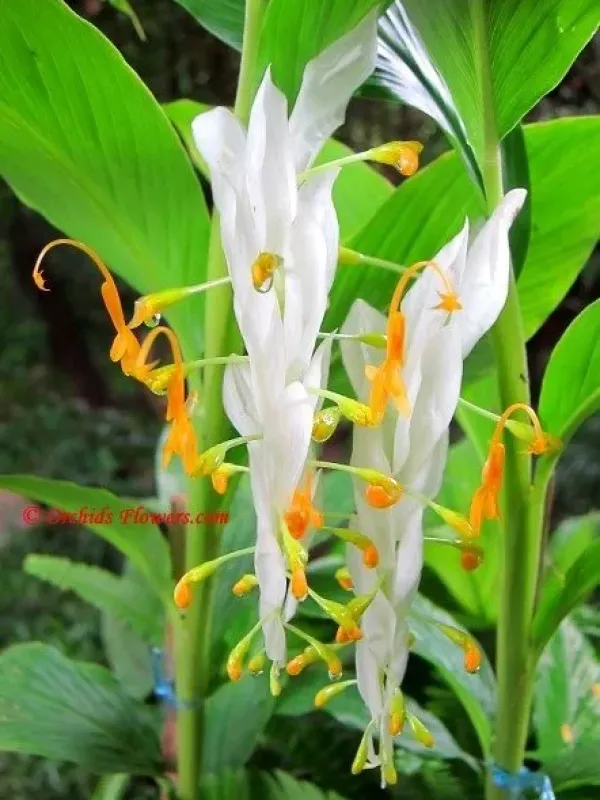
Description
Growing requirements
Globba hybrids are striking herbaceous perennials belonging to the Zingiberaceae (ginger) family. Originating from the tropical forests of Southeast Asia, these plants have evolved specific requirements that must be met to ensure healthy growth in cultivation.
The culture thrives in bright, indirect light; direct sunlight should be avoided as it can scorch the foliage. The ideal temperature range for active development is between +20°C and +25°C, and the plant must be protected from cold drafts and significant temperature fluctuations.
Growing media must be loose, fertile, and retain moisture while providing excellent drainage. A substrate composed of peat, leaf mold, and perlite is recommended to ensure adequate aeration around the sensitive rhizomes, which prevents root asphyxiation.
High humidity is essential for these plants, making regular misting or the use of a humidifier necessary in indoor environments. During the growing season, watering should be consistent, ensuring the substrate remains moist but never waterlogged to avoid root rot.
Globba hybrids are primarily utilized in the ornamental horticultural industry. They are highly valued for their unique, pendant-like inflorescences and colorful bracts, making them excellent specimens for conservatories, greenhouse displays, and specialized indoor plant collections.
Main diseases and pests
Common pests affecting Globba hybrids include spider mites and mealybugs, which thrive in low-humidity environments. Regular inspection of the undersides of the leaves is critical for early detection and manual control of these insect infestations.
The most significant pathological threat to the crop is root rot, which typically occurs due to poor soil drainage or excessive irrigation. Disease management involves maintaining a strict watering schedule and applying appropriate fungicides if symptoms of wilting or tissue decay appear.