
Zingiber clarkei
Zingiber clarkei
Description
Growing requirements
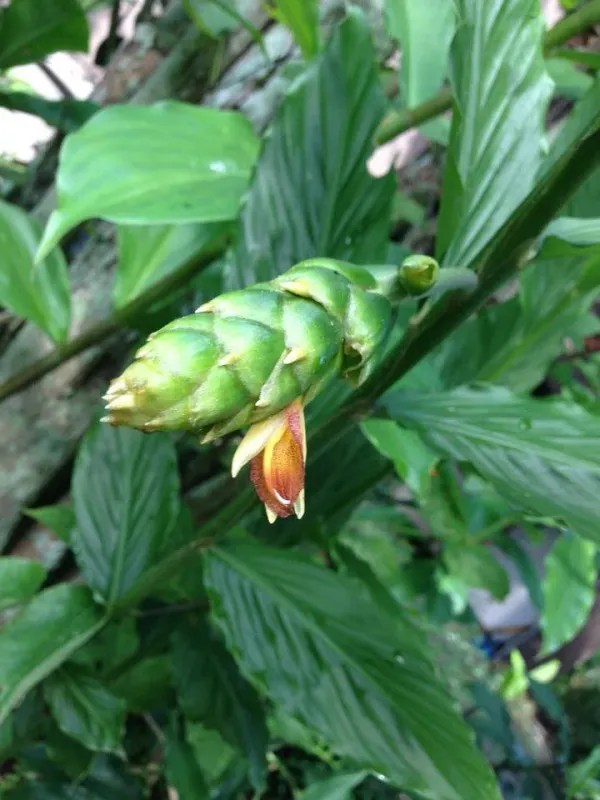
Zingiber clarkei is a perennial herb belonging to the Zingiberaceae family. Native to the mountain regions of India and Southeast Asia, it is a specialized species highly valued for its unique botanical structure and appearance.
The plant features a thick, fleshy rhizome system from which aerial shoots arise. These shoots can reach significant heights, characterized by large, lance-shaped leaves that are arranged in a distinct pattern along the stem.
In terms of climate, the species requires a tropical or sub-tropical environment with stable temperatures and consistent high humidity levels. It cannot tolerate freezing temperatures, making it suitable only for protected cultivation in temperate climates.
Soil requirements involve a well-draining, nutrient-rich, organic-heavy medium. Proper aeration is crucial to prevent the rhizomes from suffering from anaerobic conditions, which are common causes of crop failure in this family.
Agronomic management requires careful control of moisture levels. While the plant thrives in moist soil, waterlogging must be avoided at all costs, necessitating the use of raised beds or specialized containers with effective drainage layers.
Main diseases and pests
Disease pressure is primarily linked to fungal pathogens, such as Fusarium or Pythium species, which target the root system. These infections are often triggered by improper substrate drainage or poor sanitation.
Pest threats include mites and various scale insects that typically inhabit the undersides of the leaves. Implementing integrated pest management (IPM) practices, such as maintaining optimal airflow and regular visual monitoring, is essential for successful production.