
Zingiber purpureum
Zingiber purpureum
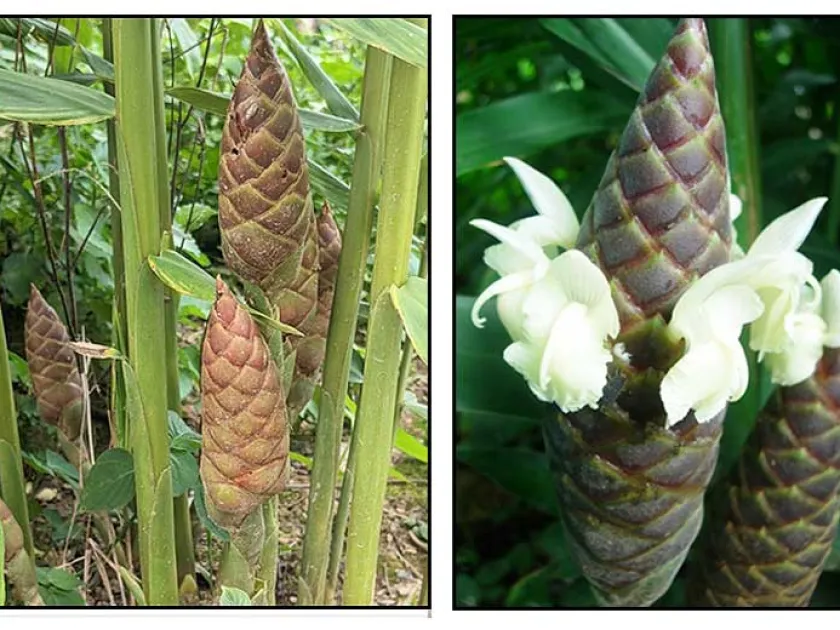
Description
Sowing dates
Zingiber purpureum, commonly known as Cassumunar ginger, belongs to the Zingiberaceae family. Propagation is primarily achieved through the division of mature, healthy rhizomes, which are carefully sectioned to include viable vegetative buds.
The planting process begins at the start of the rainy season when soil temperatures remain consistently between 20 and 25 degrees Celsius. Ensuring the correct planting depth is crucial to allow shoots to emerge without excessive resistance.
The plant thrives at a density of approximately 25,000 to 30,000 plants per hectare, depending on local soil fertility and the specific agricultural practices employed in the region.
Adequate spacing allows for optimal root development and air circulation, which are essential factors in preventing early-stage growth inhibition in tropical environments.
Selection of high-quality propagation material is mandatory, as any signs of rot or injury in the rhizome pieces can lead to significant crop failure shortly after establishment.
Growing requirements
This crop has specific climatic requirements, favoring a humid, tropical environment. Consistent temperatures between 25 and 32 degrees Celsius promote the most vigorous growth of foliage.
Soil quality is paramount; the plant requires loose, well-drained loamy or sandy soils enriched with organic matter. Compacted or waterlogged soils are detrimental to the expansion of rhizomes.
While the plant requires light for photosynthesis, it often benefits from partial shade in extremely high-temperature areas to prevent the scorching of leaves and excessive water evaporation from the soil.
Balanced fertilization, particularly the application of compost or well-decomposed manure, is highly recommended to improve the nutrient density and oil content of the final product.
Maintaining consistent soil moisture is essential; however, agricultural water management systems must prevent the accumulation of standing water, which can trigger fungal diseases.
Yield
Yield productivity is significantly influenced by soil fertility, irrigation control, and the duration of the growing season. On average, farmers can expect a yield ranging from 10 to 15 metric tons per hectare.
The total growing cycle lasts approximately 8 to 10 months. During this period, the plant builds up its biomass, concentrating essential oils and active compounds within the rhizome structure.
Implementing modern agronomic techniques, such as drip irrigation and precise nutrient application, has been shown to increase harvest quality and overall root volume.
Effective weed control is a critical factor in yield maximization, as the plant is sensitive to competition during its initial growth phases in the first few months of the season.
Regular monitoring of plant health allows for timely interventions, ensuring that the maximum genetic potential of the crop is realized by the time of harvest.
Main diseases and pests
The most significant threats to Zingiber purpureum include soil-borne fungal pathogens such as Fusarium and various types of soft rot, which thrive in high-humidity conditions.
Root-knot nematodes are a common pest that interferes with nutrient uptake, often causing stunted growth and reduced bulb quality. Crop rotation is the most effective preventative measure.
Leaf-feeding insects can cause extensive damage during the peak growing season, potentially requiring integrated pest management strategies to protect the crop's photosynthetic capacity.
In cases of infestation, removing and destroying symptomatic plants is essential to prevent the spread of pathogens across the plantation and minimize chemical treatment needs.
Proactive monitoring of soil health and drainage efficiency is the best defense against the environmental stresses that make plants more susceptible to these biotic threats.
Harvesting
Harvesting takes place once the aerial parts of the plant naturally turn yellow and wither. This physiological indicator suggests that the rhizomes have reached maturity and maximum oil concentration.
The rhizomes are carefully unearthed, ensuring that the sensitive outer skin remains intact to guarantee a longer shelf life and better marketability of the produce.
Post-harvest processing involves immediate cleaning, removal of residual soil, and drying in a controlled environment to ensure moisture content is reduced to safe storage levels.
Proper curing of the rhizomes is essential for flavor development. This is typically done in shaded, well-ventilated structures to prevent direct sunlight from damaging the volatile oils.
Once dried and sorted by size, the product is packaged for distribution to pharmaceutical, cosmetic, or culinary markets, where it is valued for its unique aromatic profile.