
Globba atrosanguinea
Globba atrosanguinea
Description
Growing requirements
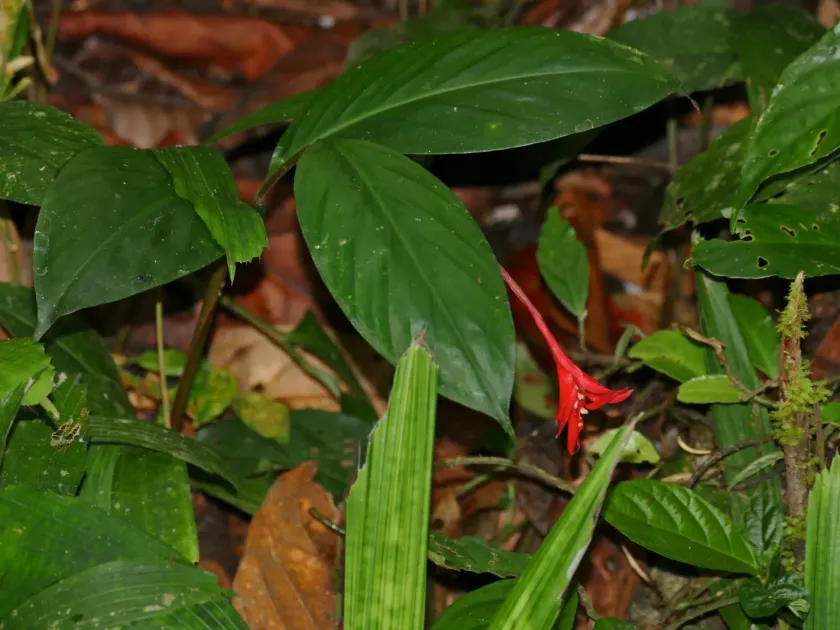
Globba atrosanguinea is a fascinating member of the Zingiberaceae family. Native to the lush tropical rainforests of Southeast Asia, specifically regions within Malaysia and Borneo, this perennial plant is highly prized for its unique architectural foliage and distinct inflorescences.
To cultivate this species successfully, one must replicate its natural forest floor habitat. It requires a loose, well-draining soil mix that is rich in organic matter. Peat-based or coconut coir-based substrates are ideal for maintaining the necessary balance of moisture and aeration.
Lighting requirements for Globba atrosanguinea are specific: the plant thrives in bright, filtered light. Direct tropical sunlight is generally too intense and will scorch the leaves. Placing the plant in a shaded area or under a canopy is highly recommended for optimal health.
Humidity is paramount for this species. It should be maintained between 70% and 85% to ensure the foliage remains vibrant. Regular misting or the use of a humidifier is essential in environments where indoor heating or dry conditions might prevail during the winter months.
The plant requires consistent warmth to maintain its metabolic functions. Temperatures should ideally stay between 20°C and 28°C. During the dormant period, it is crucial to slightly reduce watering, allowing the plant to rest before the next growth cycle begins.
Main diseases and pests
Spider mites represent a significant threat to Globba atrosanguinea, particularly in indoor environments with low humidity. These pests can cause severe damage to the leaf structure, leading to yellowing and premature leaf senescence.
Root rot is the most common disease associated with this culture, usually triggered by improper drainage or excessive soil moisture. Once the root system begins to decay, the entire plant rapidly loses its vigor and ability to uptake nutrients.
Mealybugs can also infest the plant, hiding in the leaf axils and along the stems. They suck the sap from the plant, which often leads to the development of sooty mold on the honeydew deposits left behind by the insects.
Preventative maintenance is the best defense against pests and diseases. Regularly checking the undersides of the leaves and ensuring adequate air circulation within the growing area can prevent the majority of common issues.
Chemical control should be used with caution, as many tropical species are sensitive to synthetic pesticides. It is often more effective to use gentle soap-based sprays or horticultural oils to manage minor pest infestations before they become unmanageable.