
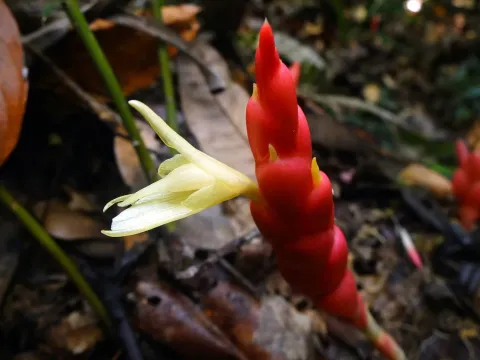
Zingiber gracile
Zingiber gracile
Zingiber gracile is a distinct perennial plant species belonging to the Zingiberaceae family. Native to tropical regions, it displays classic morphological features characteristic of the ginger genus.
What the section contains
Zingiber gracile
The crop requires a tropical climate to flourish. Optimal agricultural production is achieved in zones where temperatures remain consistently between 22 and 30 degrees Celsius.
Soil quality is paramount for this culture. It thrives in well-drained, nutrient-rich, and slightly acidic soils, which must be kept moist but never waterlogged to prevent root rot.
Cultivation practices involve site selection with partial shade. Intense, direct sunlight can damage the leaves, hence the need for canopy management or artificial shading systems.
Management of the root system is essential throughout the growth cycle. Regular monitoring of the soil structure ensures that the rhizomes expand properly without physical compaction constraints.
Harvesting is performed once the foliage begins to senescence. This physiological stage indicates that the plant has ceased active vegetative growth and concentrated resources in the rhizomes.
The primary agricultural utility of this plant lies in its aromatic properties, making it a valuable resource for the culinary and flavoring industries on a local scale.