
Globba clarkei
Globba clarkei
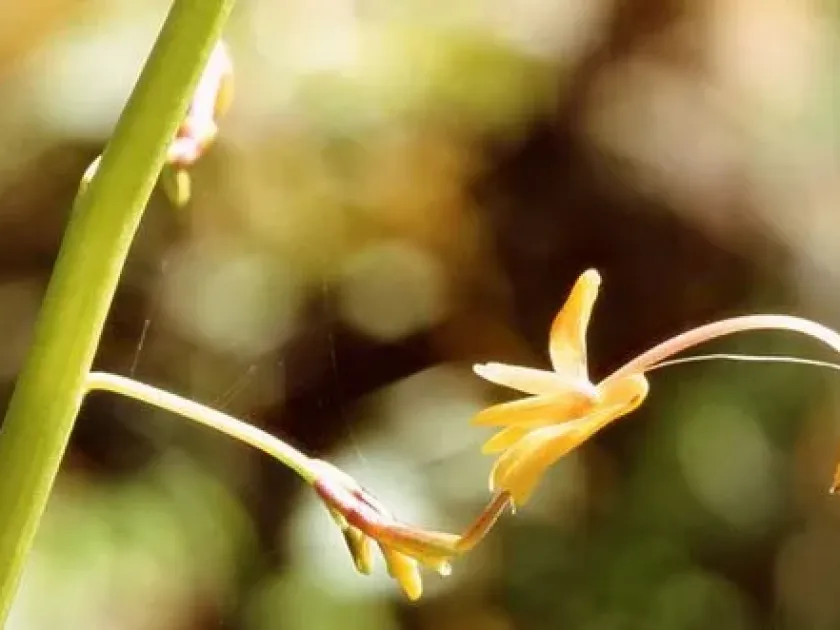
Description
Sowing dates
Globba clarkei is a unique species within the Zingiberaceae family. In agricultural and horticultural practice, the plant is primarily propagated through the division of rhizomes, which should be performed at the end of the dormancy period in early spring.
While seed propagation is possible, it is rarely utilized due to specific germination requirements and the slow development of the seedlings. If seeds are used, they must be sown in a high-quality, well-aerated organic substrate with temperatures maintained consistently between 22–25 degrees Celsius.
Rhizome planting is best achieved at a depth of 5–7 centimeters. This planting depth ensures stability and sufficient space for the root system to expand during the initial stages of vegetative growth.
When cultivated in controlled greenhouse environments, the timing of planting should align with the increase in daylight hours. Gradual exposure to light helps the plant develop a robust structural integrity and prevents etiolation.
Proper drainage is paramount during the sowing phase. Accumulation of water in the substrate can lead to rhizome rot, so adding perlite or coarse sand to the planting mix is recommended to ensure optimal moisture circulation.
Growing requirements
As a tropical plant, Globba clarkei demands stable environmental conditions. It thrives in temperature ranges between 20–28 degrees Celsius and is highly sensitive to cold drafts or rapid temperature drops, which can cause significant stress.
The soil should be nutrient-rich, humus-heavy, and slightly acidic. Good drainage is non-negotiable; waterlogged soil is the primary cause of decline in this species, as it restricts root respiration and promotes fungal growth.
High humidity is essential for maintaining leaf health. In indoor or greenhouse settings, professional growers often employ automated misting systems to keep the ambient humidity levels elevated above 60 percent throughout the growth cycle.
Light management requires filtered or diffused sunlight. Intense, direct sun exposure causes leaf scorching and bleaching. Utilizing 50 percent shade cloth is a standard agrotechnical practice to protect the foliage while still allowing sufficient energy for photosynthesis.
Fertilization should be managed carefully, using water-soluble balanced fertilizers during the active growth phase. Over-fertilization can damage the sensitive root system, so it is safer to apply lower concentrations at more frequent intervals.
Main diseases and pests
The most common threats to Globba clarkei include various fungal pathogens that target the rhizomes when drainage is inadequate. Root rot (Rhizoctonia) is a major concern that can devastate an entire crop if not managed early.
Pest pressures primarily include aphids and spider mites, which are particularly active in warm, low-humidity environments. Regular monitoring of the underside of leaves is necessary to catch infestations before they spread across the crop.
Thrips may also pose a problem during the flowering stage, as they feed on the delicate bracts and buds, significantly reducing the market value of the ornamental crop. Integrated pest management, including biological controls, is preferred.
Environmental stress, such as sudden shifts in humidity or light, can weaken the plant, making it more susceptible to opportunistic infections. Maintaining a stable environment is the most effective preventative measure against these threats.
Chemical control should be used as a last resort, always adhering to strictly defined safety intervals for ornamental plants. Proper hygiene in the growing space, including the removal of dead leaves, is essential to mitigate disease transmission.
Harvesting
The harvest of Globba clarkei is intended primarily for the cut-flower market. The optimal time for harvest is when the characteristic inflorescences are well-developed, but the individual flowers have only partially opened.
Harvesting should occur in the cool hours of the early morning. This timing maximizes the moisture content in the plant stems, which significantly improves the post-harvest longevity and ensures a higher quality product for the consumer.
Once harvested, stems should be immediately placed in clean water. It is advisable to use professional floral preservatives to balance pH levels and prevent bacterial contamination within the stems during transport.
Following the blooming season, the plants should be managed for their next cycle. As the foliage begins to yellow, water input should be reduced to allow the plant to naturally transition into its dormancy phase.
The storage of harvested rhizomes requires a cool, dry, and dark environment. They should be inspected for damage and stored in a peat-based medium at approximately 10–12 degrees Celsius until the next planting season begins.