
Coral ginger
Zingiber corallinum
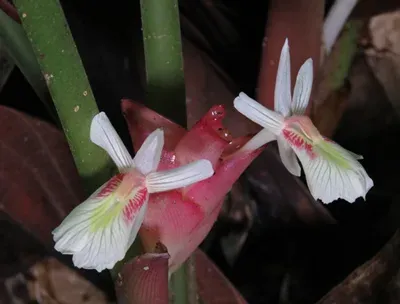
Description
Growing requirements
Coral ginger (Zingiber corallinum) is a perennial herbaceous plant belonging to the Zingiberaceae family. Native to the tropical regions of Southeast Asia, it thrives in environments characterized by high humidity, consistent temperatures, and nutrient-rich, humus-heavy forest soils.
The agronomic success of this crop depends primarily on temperature management, as the plant is extremely thermophilic. It requires an environment with temperatures consistently above +20 degrees Celsius to maintain active metabolic processes and rhizome expansion.
Soil structure is critical for this species; it requires loose, well-drained loamy soils to prevent waterlogging, which often leads to root suffocation. Farmers often utilize raised beds or specialized soil mixtures to ensure proper aeration and drainage throughout the growth cycle.
Cultural practices involve maintaining a balance between irrigation and evaporation. While the plant loves water, it is essential to allow the top layer of soil to remain moist but not water-saturated, as standing water triggers necrotic processes in the developing rhizomes.
Economically, the crop is valued for its rhizomes, which are rich in aromatic compounds and essential oils. It serves as an essential raw material for the culinary and nutraceutical industries, often processed into extracts, dried powders, or fresh spice components.
Main diseases and pests
The primary threats to the cultivation of Coral ginger include various fungal pathogens such as Pythium and Fusarium species, which cause root rot, particularly in poorly drained or overly dense soils.
Insect pests, including aphids and spider mites, present constant challenges by attacking the aerial foliage, which in turn reduces the plant's capacity for energy storage and rhizome development.
Bacterial wilt is a significant pathological concern in tropical farming, requiring rapid intervention and strict hygiene protocols to prevent the total loss of the harvest across large plots.
Integrated Pest Management (IPM) is strongly recommended, combining biological controls with the use of disease-free planting material to keep infestation levels below the economic injury threshold.
Routine inspections of the subterranean parts are necessary to detect early signs of fungal decay, which allows for selective removal of infected plants and protects the remaining crop from potential outbreaks.