
Curcuma rubrobracteata
Curcuma rubrobracteata
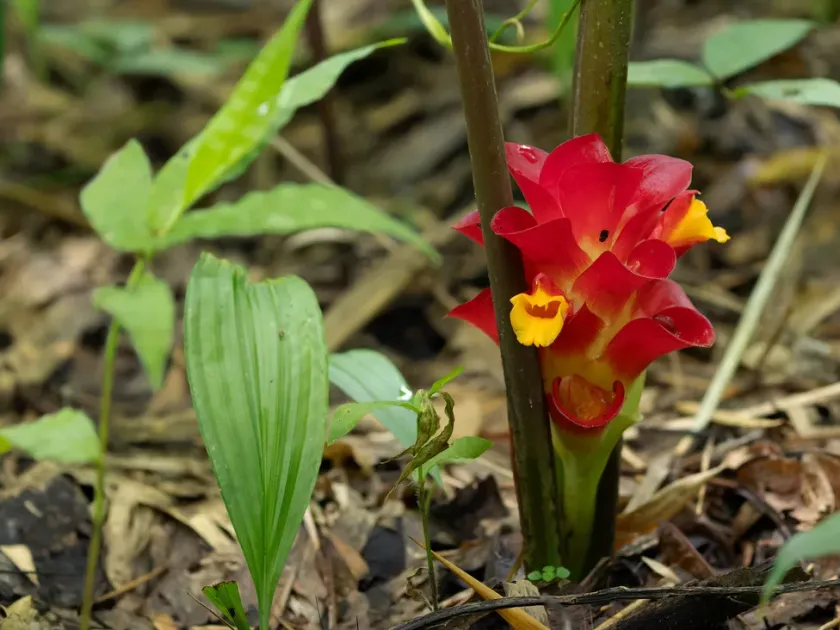
Description
Growing requirements
Curcuma rubrobracteata is a perennial herbaceous plant belonging to the Zingiberaceae family. This species is native to tropical regions where it thrives under conditions of high humidity and consistent warmth, developing a robust underground rhizome.
The crop requires a stable thermal regime, with ideal growth occurring between +22°C and +29°C. It is strictly frost-intolerant and requires controlled environment agriculture, such as greenhouses, when cultivated in non-tropical climates to prevent plant failure.
Soil requirements are centered on high organic matter content and excellent drainage capacity. The ideal growth medium is a loose, slightly acidic to neutral substrate. Compaction of the soil must be avoided at all costs to ensure healthy rhizome expansion.
Light management is crucial, as the plant prefers bright, filtered sunlight. Exposure to harsh, direct midday sun can result in leaf scorching and reduced chlorophyll efficiency, impacting the overall vitality of the plantation.
Agronomic management involves a distinct watering schedule. During the growing season, consistent moisture is mandatory, while the dormancy period requires a dry environment to prevent premature sprouting or root decay.
Main diseases and pests
The primary threats include soil-borne pathogens, particularly Pythium and Fusarium species, which flourish in waterlogged or poorly aerated soils. Preventing these diseases involves strict adherence to irrigation protocols and substrate disinfection.
Pest management focuses on mitigating infestations of spider mites and thrips. These pests tend to proliferate in dry, warm indoor environments, making routine monitoring of the lower leaf surfaces a standard practice in commercial cultivation.