
Dracula
Dracula
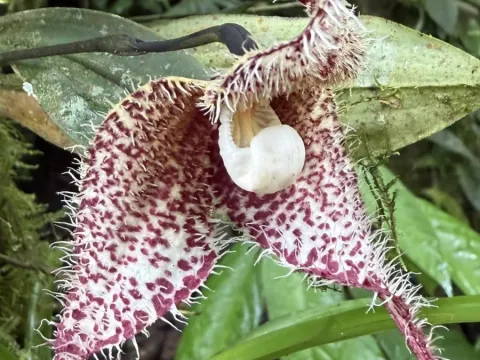
The genus Dracula belongs to the Orchidaceae family and comprises over 100 species of epiphytic orchids. These plants are native to the cool, misty cloud forests of Central and South America, primarily inhabiting the Andean mountain regions.
What the section contains


Dracula
Botanically, they are characterized by the lack of pseudobulbs, having instead thin, plicate leaves and unique drooping inflorescences. Many species in this genus require specialized hanging baskets because their flower spikes often grow downwards through the substrate.
Climate requirements are strict: they thrive in high humidity and cool temperatures. A greenhouse or a controlled environment is essential, as the plants need daytime temperatures between 15–20°C and cool nights to perform photosynthesis and flower properly.
The cultivation medium must be highly porous and moisture-retentive. Growers typically use long-fiber sphagnum moss combined with charcoal and perlite. This setup ensures that the roots receive constant moisture without suffering from waterlogging, which can cause root rot.
These orchids are primarily used as ornamental plants in professional collections. Due to their complex and demanding requirements, they are categorized as advanced-level plants, requiring consistent environmental monitoring to ensure health and successful blooming.
Common pests include spider mites, which thrive in low-humidity environments, and mealybugs that can hide in the crevices of the foliage. Regular inspection and the maintenance of high ambient humidity are the primary defenses against these infestations.
Fungal pathogens such as Botrytis or soft rot are significant threats, particularly when airflow is insufficient. Proper ventilation is vital to keep the leaves dry and prevent the spread of infections, which can destroy the delicate structure of the plant rapidly.