
Dracula chimaera
Dracula chimaera
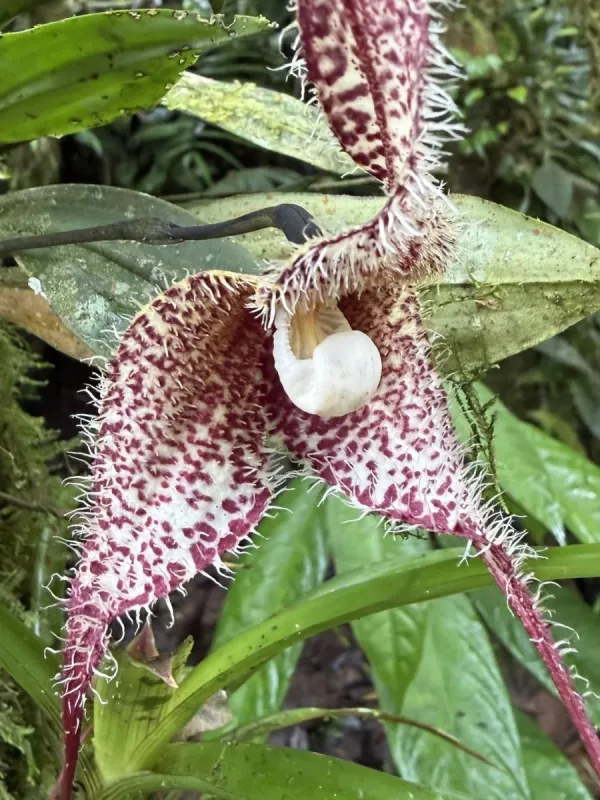
Description
Growing requirements
Dracula chimaera is an epiphytic orchid belonging to the Orchidaceae family, native to the cloud forests of Colombia and Ecuador. This plant is highly prized for its unique, monkey-like flower structure and requires precise environmental management to thrive in cultivation.
The core requirement for this species is a cool to intermediate temperature range, ideally between 12 and 18 degrees Celsius. Sustained exposure to heat above 22 degrees Celsius will significantly weaken the plant and often results in the loss of buds or stunted overall development.
High humidity, typically ranging from 70% to 90%, is essential for the health of the foliage and root system. Due to the need for high moisture levels, the environment must also provide constant air circulation to prevent the growth of harmful bacteria and fungal pathogens on the leaves.
This orchid is best grown in specialized mesh baskets because its flower spikes often exhibit a geotropic habit, growing downwards or sideways through the potting medium. A suitable substrate consists primarily of long-fiber sphagnum moss mixed with perlite or charcoal to ensure drainage.
Light levels should be low to moderate, mimicking the conditions under a deep forest canopy. Direct sunlight is extremely damaging to this plant, often leading to rapid scorching of the leaves, which are prone to dehydration if exposed to excessive radiation or low humidity levels.
Main diseases and pests
The primary threats to Dracula chimaera are fungal rots, particularly during winter months or periods of low light when the substrate takes longer to dry. Overwatering combined with poor ventilation is the most common cause of root death in these delicate orchids.
Pests such as spider mites are a constant concern in cultivation environments where humidity is not strictly controlled. They thrive in dry air and can quickly infest the underside of the leaves, leading to yellowing and premature leaf drop if not addressed immediately.
Aphids and mealybugs may also attack new growth and flower buds, damaging the aesthetic value of the plant. Integrated pest management, focusing on physical removal and mild horticultural soaps, is the safest approach to controlling these populations without harming the plant.
Bacterial soft rot is another severe condition that can destroy the plant in a matter of days. This usually occurs when water collects in the crown of the orchid, providing an ideal breeding ground for bacteria, especially in environments with poor air movement.
Chemical stress from fertilizers or tap water containing high mineral content can cause salt buildup in the media. Flushing the basket with purified water on a regular basis is necessary to maintain a healthy root environment and prevent the accumulation of toxic compounds.