
Dracula amaliae
Dracula amaliae
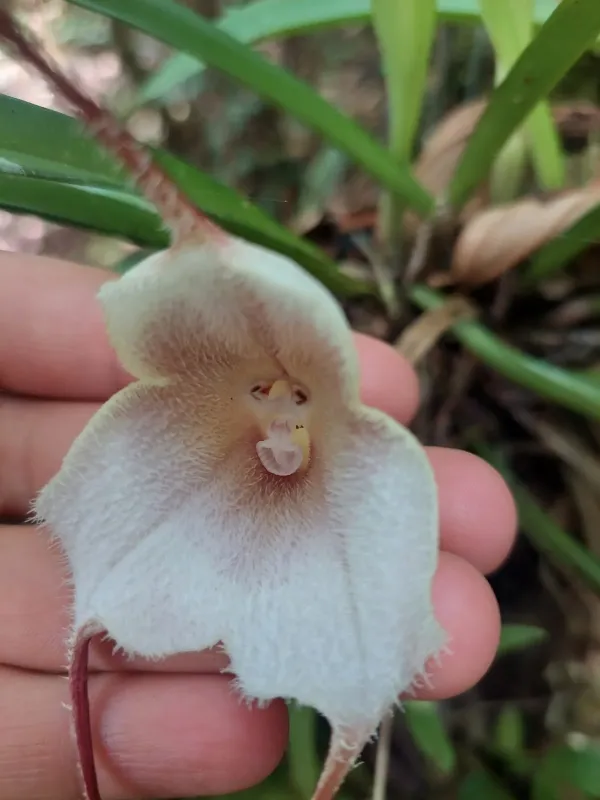
Description
Growing requirements
Dracula amaliae is a fascinating member of the Orchidaceae family. This epiphytic species originates from the cloud forests of Colombia, where it thrives in high-altitude environments characterized by constant mist and mild temperatures.
Cultivation of this orchid requires strict adherence to cool climate conditions. It generally prefers temperatures between 12 and 18 degrees Celsius, as high heat can trigger rapid decline or even the sudden death of the plant due to metabolic stress.
Soil requirements are non-standard, as this is an epiphyte. The root system needs an extremely airy medium, such as a mix of long-fiber sphagnum moss and charcoal, ensuring excellent aeration and moisture retention without compaction.
Humidity management is the primary challenge in artificial cultivation. The plant requires a relative humidity of at least 75%, which is best maintained in an orchidarium or a specialized greenhouse equipped with misting systems.
Light levels should be kept low, mimicking the deep shade of the mountain forest canopy. Intense light is extremely detrimental to this culture, causing leaf scorch and inhibiting the development of the pendant inflorescences characteristic of the genus.
Main diseases and pests
The primary pests targeting Dracula amaliae are spider mites and mealybugs. These small insects thrive in the low-air-flow conditions that often occur when humidity is high, quickly infesting the undersides of the leaves.
Fungal rots represent the most significant threat to this orchid. When the medium remains sodden for too long, opportunistic fungi invade the roots, leading to rapid decay that can spread to the entire plant within a matter of days.
Bacterial spotting is another concern, often triggered by moisture remaining in the leaf axils for extended periods. Once a bacterial infection takes hold, it creates water-soaked lesions that quickly spread across the foliage.
Integrated pest management involves regular inspections and the use of organic or mild chemical pesticides. It is crucial to avoid applying heavy synthetic chemicals that could damage the sensitive roots of the plant.
Maintaining a clean growing environment and ensuring constant air circulation with small fans is the most effective preventative measure against both pests and pathogens in the culture of this delicate species.