
Dracula pholeodytes
Dracula pholeodytes
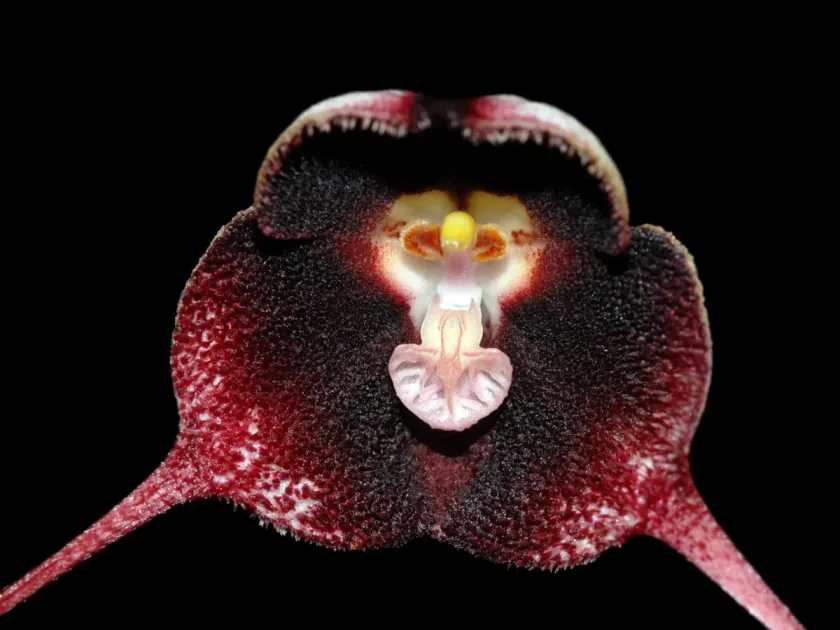
Description
Growing requirements
Dracula pholeodytes is a rare epiphytic plant belonging to the Orchidaceae family. It is not considered an agricultural crop in the economic sense but is highly valued by botanists and collectors for its unique, dark, and complex floral morphology.
The species originates from the cloud forests of Colombia, specifically thriving at high altitudes. This environment provides the plant with consistent cool temperatures and very high levels of atmospheric humidity throughout the entire growing season.
Cultivation requires specialized greenhouse conditions that simulate its native montane habitat. Temperatures should ideally remain between 12 and 18 degrees Celsius, as the plant cannot tolerate heat stress, which is often fatal for high-altitude orchid species.
The medium must be airy and well-draining, typically consisting of moss or specialized orchid baskets that allow the inflorescences to grow downwards. Frequent misting and maintaining high humidity levels are essential to prevent the foliage from desiccating.
Optimal light levels for Dracula pholeodytes are low to moderate; direct sunlight must be strictly avoided as it causes rapid leaf scorch. Providing a constant, gentle airflow is crucial to prevent stagnant conditions that lead to tissue degradation.
Main diseases and pests
The primary threats include fungal pathogens, particularly those causing leaf and root rot due to excessive moisture trapped within the growing medium. Regular monitoring and use of sterilized tools are necessary during maintenance to protect the plant's health.
Pests like spider mites and scale insects are common in controlled environments. Integrated pest management strategies, such as biological control agents or targeted spraying, should be employed to ensure the orchid remains in vigorous condition.