
Dracula barrowii
Dracula barrowii
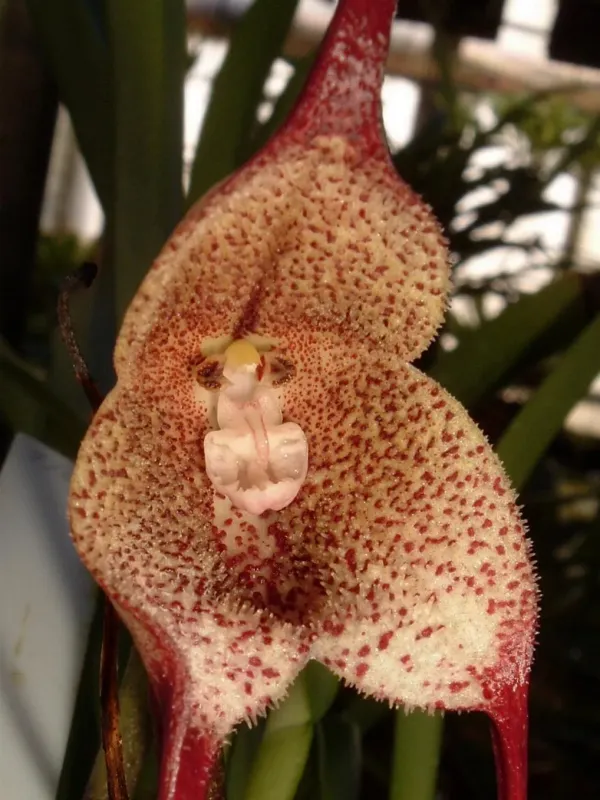
Description
Growing requirements
Dracula barrowii is a fascinating species within the Orchidaceae family, native to the cloud forests of Peru. As an epiphyte, it demands a highly specific microclimate characterized by constant humidity and cool temperatures.
To succeed in cultivation, growers must maintain a cool-growing environment, typically keeping temperatures between 10°C and 15°C. Excessive heat can cause severe stress and lead to rapid plant decline.
The substrate must prioritize drainage and aeration. A mixture of sphagnum moss and bark, or mounting the plant on wood slabs, is essential to mimic the natural tree-branch environment where it thrives.
Light intensity should be kept very low, similar to deep shade conditions. Direct sunlight is strictly prohibited as it leads to irreversible damage to the foliage and disrupts the plant's metabolic cycles.
High humidity levels (above 75%) are necessary for healthy growth. Growers must ensure consistent air circulation to prevent the buildup of stagnant air, which is a major precursor to physiological problems.
Main diseases and pests
Spider mites are a persistent threat to this culture, especially when ambient humidity levels fluctuate. Regular inspection of the undersides of the leaves is critical for early detection.
Root rot caused by fungal pathogens is the most common disease associated with poor irrigation management. It is often exacerbated by substrates that have become compacted or overly saturated.
Bacterial spots, appearing as wet lesions, indicate that the environmental conditions are not appropriate for the plant's requirements. Adjusting temperature and airflow is the first step toward mitigation.
Using sterile equipment and avoiding overhead watering are effective preventive measures against spreading pathogens between orchid specimens.
Integrated pest management strategies should focus on biological control and mild chemical interventions to protect the delicate tissues of this specific orchid species.