
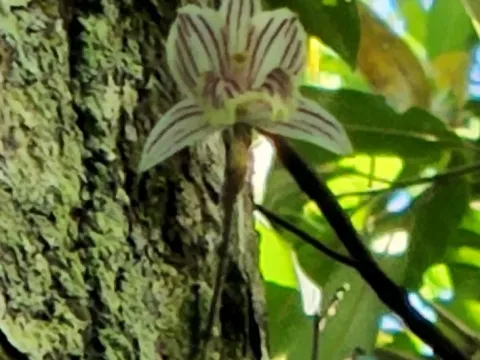
Domingoa
Domingoa
Domingoa is a genus of small, epiphytic orchids belonging to the Orchidaceae family. These plants are native to the Caribbean region, primarily found in Cuba, Haiti, and Puerto Rico, where they inhabit humid tropical environments.
What the section contains

Domingoa
Morphologically, Domingoa plants are characterized by a sympodial growth habit and small, moisture-storing pseudobulbs. Their foliage is typically leathery and tough, an evolutionary adaptation to the fluctuating water availability in their native tree-dwelling habitats.
The culture requires specific climate conditions, ideally maintaining daytime temperatures between 20°C and 25°C. Providing a diurnal temperature drop of 5–7°C is essential for stimulating healthy development and potential blooming in a controlled indoor environment.
Light requirements for Domingoa are moderate to high, but strictly indirect. Excessive direct sunlight will cause leaf scorch and damage the plant's delicate tissues, making the use of sheer curtains or filtered light sources necessary.
For substrate, an airy mixture of fine bark, charcoal, and perlite is recommended to promote rapid drainage and root aeration. Maintaining an relative humidity of at least 70% is crucial for the survival and vegetative vigor of this epiphytic species.
The most common threat to Domingoa is root rot, triggered by overwatering or poor drainage within the potting media. If the roots remain constantly saturated, the plant will quickly decline due to fungal pathogen infiltration.
Scale insects are a persistent pest that can infest these orchids, often hiding in the crevices of the pseudobulbs. These insects sap the plant's energy and create sticky residues that attract secondary fungal infections like sooty mold.
Mealybugs are another threat, often appearing as small white, cotton-like masses in the leaf axils. Infestations should be treated immediately with insecticidal soap or localized alcohol applications to prevent the pests from spreading to other plants.
Improper ventilation in a confined growing area, such as a terrarium or orchid case, can lead to stagnant air. This environment is highly conducive to bacterial soft rot, which can cause the plant to collapse very quickly.
Integrated pest management, including visual inspections and maintaining a clean growing environment, is the best strategy for long-term cultivation. Chemical control agents should be used sparingly, always testing a small portion of the plant first to avoid leaf damage.