
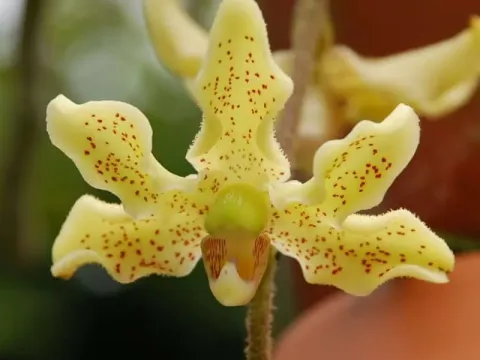
Dimorphorchis
Dimorphorchis
Dimorphorchis is a rare genus of epiphytic orchids belonging to the Orchidaceae family. These plants are native to the tropical forests of Southeast Asia, specifically found in regions such as Borneo. Botanically, they are characterized by their monopodial growth habit, featuring long stems and rigid, distichous leaves that give them a distinctive architectural look.
What the section contains


Dimorphorchis
Cultivating Dimorphorchis requires a strictly controlled environment that mimics its natural tropical habitat. High atmospheric humidity, ranging from 70% to 80%, is essential for the plant to thrive. Consistent airflow is also critical to ensure that moisture does not stagnate around the leaves, which could otherwise lead to rapid fungal decay.
The light requirements for this genus are demanding; the plants prefer bright, indirect sunlight. Direct exposure to intense midday sun should be avoided as it causes leaf scorching. Temperatures should ideally remain stable between 22 and 28 degrees Celsius, mimicking the consistent warmth found in their native low-altitude forests.
For planting, a coarse, well-draining substrate is mandatory. A mixture of large-grade bark and charcoal is commonly used to prevent root suffocation. Since these plants are epiphytes, the potting medium must provide sufficient aeration to the roots, which are highly sensitive to waterlogging and require a quick-drying environment between irrigation cycles.
In terms of agricultural and horticultural use, Dimorphorchis is primarily utilized as a high-value specimen for specialized orchid collections. Due to the difficulty in maintaining these plants in domestic settings, they remain a niche crop for hobbyists and botanists interested in exotic, rare, and architecturally significant tropical orchids.
The primary threats to Dimorphorchis health are soil-borne and stem rots, often triggered by over-irrigation or inadequate drainage. These pathogens, such as Fusarium and Phytophthora, can quickly destroy the root system. Proper management of irrigation frequency is the most effective preventative measure against such diseases.
Insect pests, particularly spider mites, are common in environments where air circulation is poor or humidity is erratic. These microscopic pests target the undersides of the leaves, resulting in stippling and overall plant decline. Regular monitoring and use of horticultural oils can help manage these populations.
Mealybugs are another persistent threat to this genus. They hide within the dense axils of the leaves, protected by their waxy secretions. If left unchecked, these insects can cause significant damage by feeding on the sap, which eventually leads to stunted growth and secondary infections at the feeding sites.
Fungal leaf spot diseases, such as Anthracnose, are frequent issues in humid greenhouse conditions. These diseases manifest as dark, sunken lesions on the foliage. To mitigate these risks, growers must prioritize environmental sanitation and utilize fungicides when symptoms first appear to stop the spread of spores.
Preventative care is the cornerstone of successful Dimorphorchis cultivation. By maintaining a clean growing area, ensuring all tools are sterilized between use, and keeping the plant’s health robust through appropriate fertilization and light, growers can minimize the need for chemical intervention and keep their specimens healthy.