
Dracula adrianae
Dracula adrianae
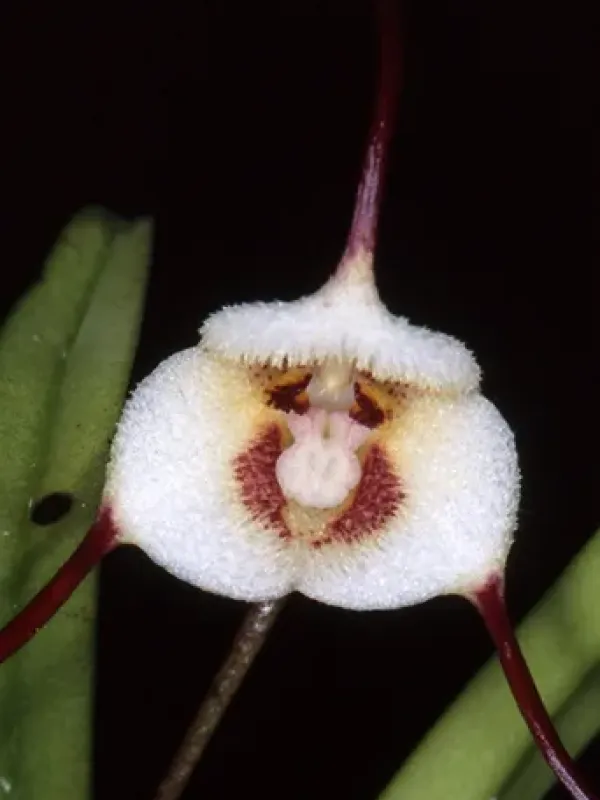
Description
Growing requirements
Dracula adrianae is an epiphytic orchid belonging to the Orchidaceae family, native to the cloud forests of Colombia. This species is highly valued for its unique morphology and specialized habitat requirements.
The plant thrives in cool, humid environments typical of high-altitude forests. Ideal daytime temperatures should range between +16°C and +20°C, while nighttime temperatures should be slightly lower to support healthy growth cycles.
High relative humidity, typically between 75% and 90%, is mandatory for the survival of this species. In cultivation, constant air movement is required to prevent the accumulation of moisture on leaves and avoid rot.
The planting medium must be loose and free-draining, commonly consisting of long-fiber sphagnum moss. Due to the pendant nature of the flower spikes, the plant is best grown in open baskets or mesh pots.
Light levels should be kept low, mimicking the shaded conditions under the forest canopy. Direct sunlight is detrimental to the plant and must be avoided to prevent thermal stress and leaf damage.
Main diseases and pests
Fungal pathogens represent the most significant threat to Dracula adrianae. Poor airflow around the plant can lead to botrytis or other fungal infections that rapidly degrade the delicate leaf tissue.
Spider mites are common pests that thrive in conditions where the humidity falls below the required threshold. These pests weaken the orchid by extracting cell sap, eventually leading to chlorosis and stunted growth.
Overwatering, especially when combined with a degraded or overly dense substrate, frequently leads to root rot. Once the root system is compromised, the plant struggles to recover due to its slow metabolic rate.
Thrips can also infest the flowers, causing disfigurement and premature drop. Regular monitoring of the flower buds and blooms is essential to detect pest presence early.
Proactive management of the growing environment is the primary defense. Maintaining rigorous hygiene and ensuring optimal environmental parameters are the most effective ways to mitigate threats.