
Stromanthe sanguinea
Stromanthe sanguinea (Hook.) Sond.
Description
Growing requirements
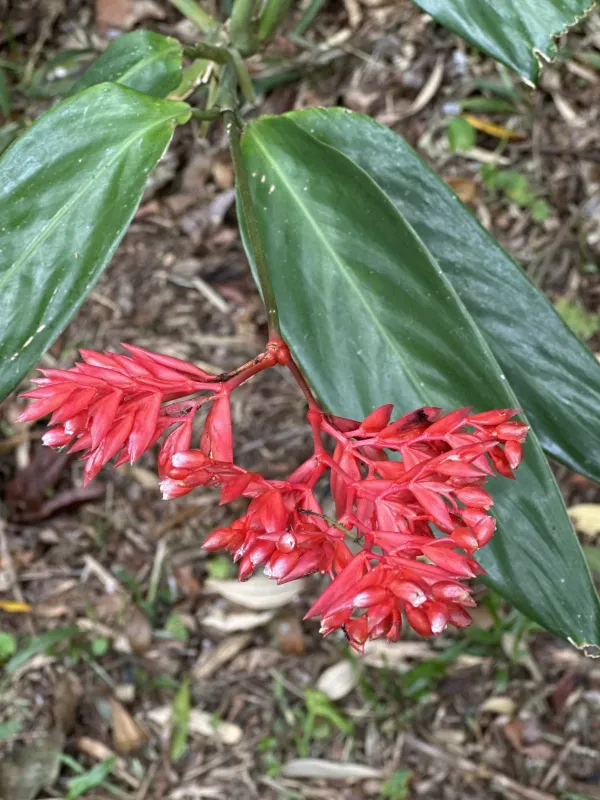
Stromanthe sanguinea is a perennial flowering plant within the Marantaceae family. Native to the tropical rainforests of Brazil, it has gained popularity worldwide as a striking ornamental houseplant known for its vibrant foliage.
The botanical structure consists of large, lance-shaped leaves that can reach up to 40 centimeters in length. The upper surfaces feature complex patterns of green, cream, and pink, while the undersides boast a deep, blood-red coloration, giving the plant its specific name.
The species requires high levels of humidity to thrive. As an understory tropical plant, it performs best in temperatures between 22°C and 26°C. It must be kept away from cold drafts and air conditioning units to prevent leaf browning and dehydration.
Soil requirements focus on high organic matter content. A well-draining potting mix, typically composed of peat moss, pine bark, and perlite, provides the necessary aeration for the sensitive root system while maintaining constant moisture.
Light exposure should be bright but indirect. Intense, direct sunlight can bleach the variegated patterns and burn the delicate leaf tissues. Therefore, a north or east-facing window is usually the optimal placement for consistent growth.
Main diseases and pests
Spider mites represent the primary pest threat to Stromanthe sanguinea, particularly in environments with low humidity. They typically colonize the underside of the leaves, causing stippling and eventual leaf drop if left untreated.
Scale insects and mealybugs can also infest the plant. These pests feed on sap and can lead to the formation of sooty mold, which impairs the plant's photosynthetic capability and overall vitality.
Root rot, often caused by overwatering and poor drainage, is the most common physiological disorder. It manifests as yellowing leaves and a softening of the stem base, indicating that the root system is suffocating in a waterlogged substrate.
Maintaining a strict watering schedule is crucial. One should allow the top two centimeters of the soil to dry out slightly between waterings, ensuring that excess water is drained from the pot tray to prevent saturation.
Regular maintenance includes wiping the leaves with a damp cloth to remove dust and prevent infestations. In cases of severe pest outbreak, targeted use of horticultural soaps or systemic neem oil treatments is recommended for effective eradication.