
Phrynium pubinerve
Phrynium pubinerve
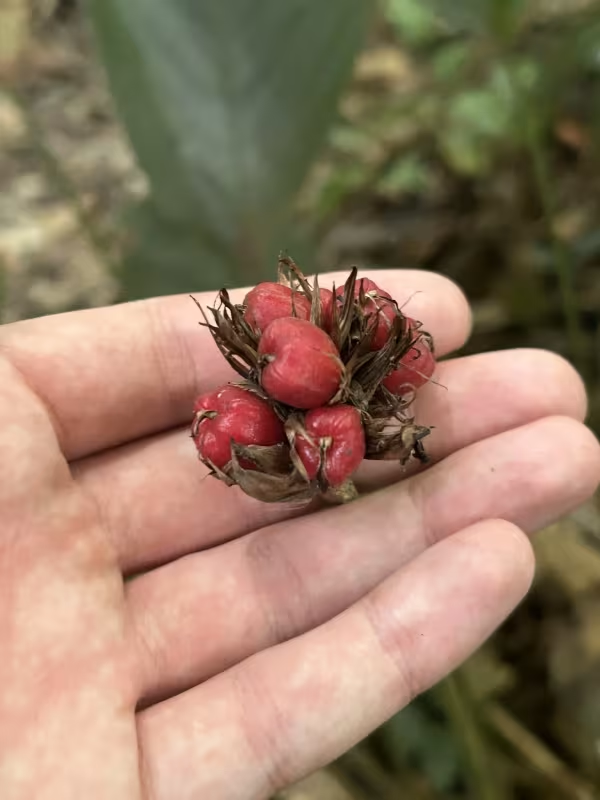
Description
Growing requirements
Phrynium pubinerve is a tropical perennial plant belonging to the Marantaceae family. Native to the humid rainforests of Southeast Asia, it is well-adapted to environments with constant moisture and diffused lighting conditions.
The crop thrives in temperatures ranging from 22 to 28 degrees Celsius. Being a shade-loving species, it requires protection from direct sunlight, which can easily damage the delicate structure of its large leaves.
Regarding soil requirements, the plant prefers deep, fertile, and well-draining substrates rich in organic matter. While it enjoys high humidity, waterlogged soil can be detrimental, leading to root system failure.
Agricultural management of this species involves maintaining stable moisture levels in both the air and soil. In its native habitat, it grows under forest canopies, so creating a similar microclimate is essential for successful growth.
The primary economic use of Phrynium pubinerve is the harvesting of its leaves. These leaves are traditionally utilized for wrapping food items, offering a sustainable and natural alternative to synthetic plastic packaging.
Main diseases and pests
Fungal diseases are the primary threats to this plant, often manifesting as root or stem rot when humidity levels are excessively high or air circulation is poor. Proper sanitation is required to prevent widespread infection.
Spider mites are the most common pests, particularly prevalent in environments with low air humidity. Infestations lead to stunted growth and visible discoloration on the foliage, significantly reducing the market quality of the harvest.
Aphids can also attack young shoots, draining sap and leaving the plant vulnerable to secondary bacterial infections. Integrated pest management, focusing on early detection, is the most effective way to protect the crop.
Cultural practices such as adequate plant spacing are vital to prevent the onset of mold and mildew. By ensuring good airflow between plants, growers can minimize the risk of pathogen transmission significantly.
Regular monitoring of plant health allows for the early removal of symptomatic foliage, which acts as a protective measure to keep the rest of the plantation healthy and productive during the growing cycle.