
Monotagma plurispicatum
Monotagma plurispicatum
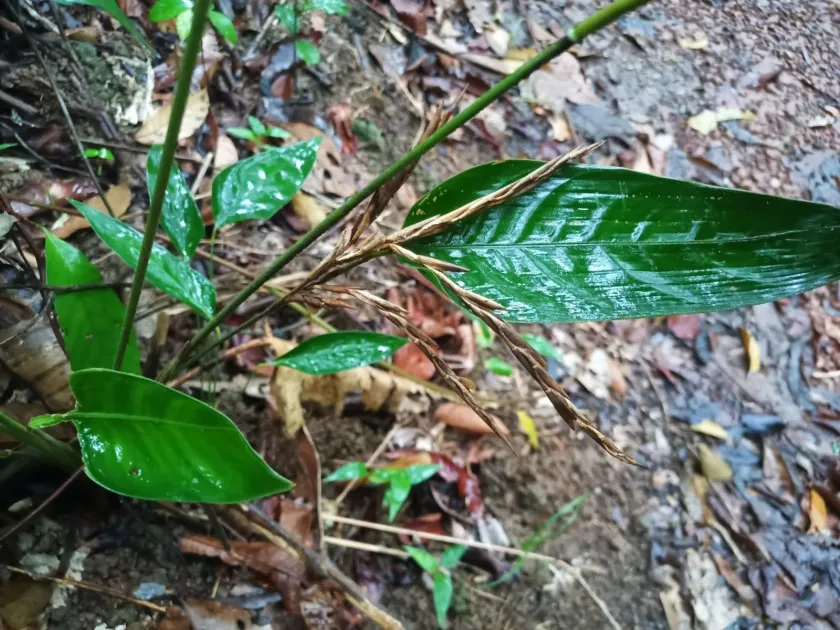
Description
Growing requirements
Monotagma plurispicatum is a perennial herbaceous species belonging to the Marantaceae family. It is native to the tropical regions of Central and South America, where it thrives in the understory of dense rainforests.
The plant requires high levels of ambient humidity to maintain its metabolic functions. In cultivation, constant humidity levels exceeding 70 percent are necessary, as the foliage is highly susceptible to dehydration in dry air conditions.
Ideal soil conditions involve a nutrient-rich, well-draining substrate that mimics the organic matter-heavy forest floor. Maintaining a slightly acidic pH level between 5.5 and 6.5 is essential for optimal nutrient uptake.
Temperature requirements remain narrow, favoring a warm environment throughout the year. Temperatures below 15 degrees Celsius can cause physiological stress and growth arrest, making the crop suitable only for greenhouse or controlled environments in temperate zones.
Agronomic management includes regular but controlled irrigation to ensure the soil remains moist but never saturated. Overwatering is the most common cause of root death, which significantly hinders the plant's development.
Main diseases and pests
Common phytosanitary threats include soil-borne fungal pathogens such as Pythium and Rhizoctonia, which proliferate in poorly aerated or waterlogged growing media. These pathogens cause root decay and subsequent wilting.
Pest pressure is primarily driven by spider mites and mealybugs. These organisms target the undersides of leaves and leaf axils, depleting the plant of sap and creating entry points for secondary infections.
Effective management includes implementing a strict sanitation protocol, which involves the removal of any necrotic or yellowing foliage to prevent the spread of localized fungal or bacterial infections.
Integrated pest management strategies often involve the introduction of natural predators or the application of selective acaricides to manage populations of mites without harming the plant's delicate leaf structure.
Regular monitoring of leaf color and turgidity serves as the best diagnostic tool. Any deviation from the normal deep green pigmentation may indicate an underlying issue with light intensity, soil fertility, or pest infestation.