
Donax canniformis
Donax canniformis
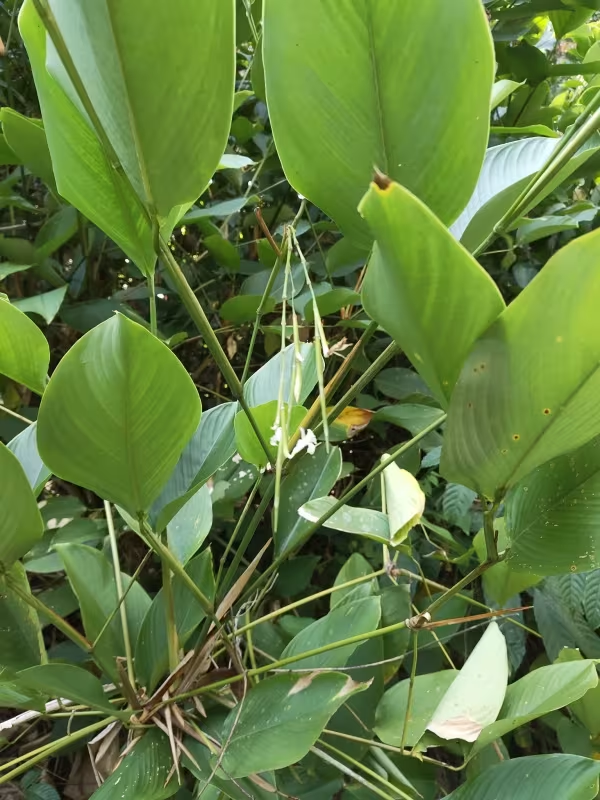
Description
Sowing dates
Donax canniformis, a member of the Poaceae family, is a perennial plant typically propagated through vegetative methods such as rhizome division or stem cuttings. Planting is best timed at the onset of the rainy season, ensuring the soil remains consistently moist for optimal root establishment.
Rhizome segments should be planted 10–15 centimeters deep into loose, well-draining soil. Providing adequate spacing is essential, as the plant spreads vigorously, forming dense clumps that require significant room to develop fully.
Field preparation involves deep tilling and the incorporation of organic matter to encourage strong root systems. During the early development phase, managing weed pressure is crucial to prevent competition for sunlight and nutrients.
The plant demonstrates remarkable regenerative capabilities from its rhizome system. Once established, it produces tall, sturdy, bamboo-like stems that can reach significant heights within a single growing season.
Vegetative propagation is the preferred commercial method because seed viability is generally low. This approach ensures genetic uniformity across the plantation, which is vital for consistent fiber or biomass quality.
Growing requirements
This species thrives in tropical and subtropical climates characterized by high humidity and the absence of severe frost. The ideal temperature range for active growth is between 20 and 30 degrees Celsius.
Donax canniformis is highly sensitive to soil moisture levels. Naturally occurring in riparian zones and marshy areas, it requires consistent watering or high water tables to achieve its full potential in an agricultural setting.
Fertile, loamy soils with good aeration are optimal for growth. While the plant can tolerate various soil types, excessively dense or heavy clay soils may restrict rhizome expansion and overall vigor.
Exposure to full sunlight is critical for the development of thick, durable stems. While young plants can tolerate partial shade, mature stands perform best when exposed to direct light throughout the day.
Wind protection is an important consideration for commercial plantations. Strong gusts can cause mechanical damage to the hollow, tall stems, so establishing windbreaks is recommended in exposed locations.
Yield
The crop is characterized by high biological productivity, generating a significant volume of biomass due to its rapid growth rate. Yield efficiency typically increases over the first three years as the root system matures.
In the first two years, growth is moderate as energy is diverted to rhizome development. By the third year, the plantation reaches its peak productive capacity, allowing for regular, consistent harvests.
Expected yields for raw biomass can reach 20–30 tons per hectare, depending on irrigation management and planting density. Strategic application of nitrogen-based fertilizers can further boost biomass output by up to 20 percent.
Harvest frequency can range from annual to biennial, depending on the required stem diameter for specific commercial applications. Controlled harvesting ensures that the rhizome remains healthy for future seasons.
Because the plant recovers rapidly from its rhizomes, the plantation can be exploited for many years without the need for reseeding or soil turnover, making it a sustainable choice for long-term production.
Main diseases and pests
Fungal infections pose the primary threat, especially in humid conditions where stagnant air accumulates within dense stands. Improving airflow through systematic thinning is the most effective preventative measure.
Insect pests, including stem borers and certain leaf-eating beetles, can cause significant damage to the internal stem tissue. Regular monitoring is necessary to prevent these pests from compromising structural quality.
Weeds are particularly problematic during the initial planting phase. They compete for essential resources, which can significantly delay the growth cycle and reduce the final harvestable yield.
Environmental stress, such as prolonged drought, weakens the plant's natural defenses, making it more susceptible to opportunistic pathogens. Monitoring soil moisture is a critical management strategy.
Management practices include:
- Pruning damaged or diseased stems to limit the spread of infections.
- Utilizing biological controls to mitigate pest outbreaks.
- Maintaining optimal plant density to ensure adequate ventilation.
Harvesting
Harvesting involves cutting stems at the base, as close to the soil surface as possible. In professional settings, mechanized harvesting equipment is used to ensure efficiency and uniformity in the collected material.
The timing of the harvest is determined by the intended end use. Harvesting when stems are mature but not yet brittle preserves the elasticity and structural integrity required for high-quality finished products.
Post-harvest processing includes cleaning the stems of leaves and side shoots, followed by sorting based on diameter and length. This classification is vital for meeting specific commercial requirements.
Drying is performed in shaded, well-ventilated areas to prevent cracks or warping caused by intense sunlight. Proper drying techniques are essential for maintaining the material's durability and aesthetic value.
Once dried, the product should be stored in a low-humidity environment to prevent mold. Protecting the stems from direct contact with the ground is crucial for ensuring the longevity of the final product.