
Tephrocactus alexanderi
Tephrocactus alexanderi
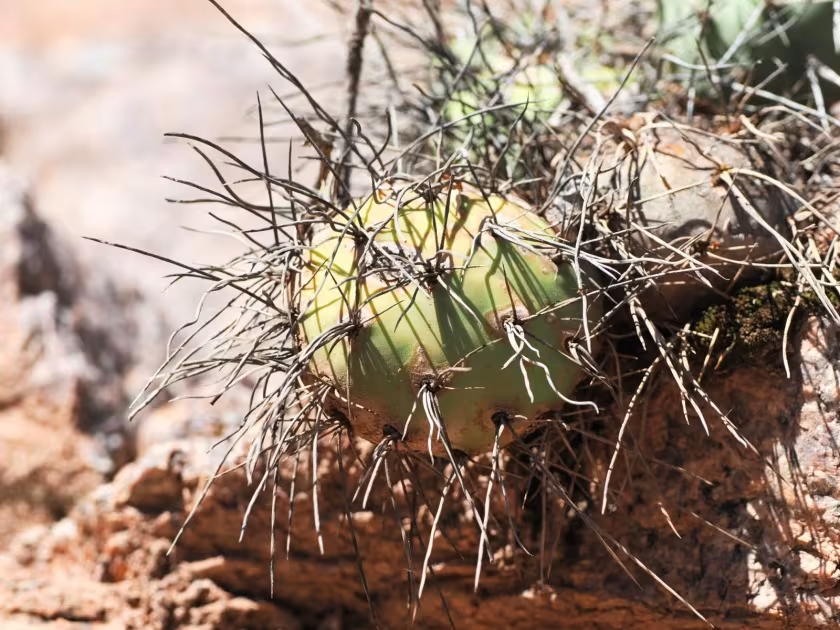
Description
Growing requirements
Tephrocactus alexanderi is a member of the Cactaceae family, natively found in the high-altitude regions of Argentina. These plants are uniquely adapted to extreme environmental conditions, characterized by intense sunlight and significant temperature fluctuations between day and night.
The botanical structure of this species consists of segmented stems that can vary in shape, often appearing as globose or ovoid clusters. The surface is typically covered in spines, which serve as a protective mechanism against herbivores and help mitigate the intensity of high-altitude solar radiation.
For successful cultivation, a well-draining, gritty soil mix is essential. The substrate should be composed of coarse sand, perlite, and a small amount of loamy soil. Proper drainage is crucial to ensure that roots are not kept in wet conditions, which is the primary cause of plant death.
Exposure to full, bright sunlight is required for the healthy development of this cactus. When kept indoors, a south-facing window is usually the best location. Sufficient light ensures the plant remains compact and maintains the dense spine coverage that characterizes the species.
Temperature management is key, especially during the dormancy period. Keeping the plant in a cool, dry place during the winter months, with temperatures ideally between 5°C and 10°C, is necessary for the plant to rest properly and build the resources needed for the following growing season.
Main diseases and pests
Overwatering is the single most significant threat to Tephrocactus alexanderi. Excess moisture in the root zone leads to rot and bacterial infection, which can quickly spread through the segments. The soil must be allowed to dry out completely before any subsequent irrigation.
Common pests include mealybugs and spider mites. These pests thrive in dry, warm environments and can damage the succulent tissue, leaving scars and creating entry points for secondary fungal pathogens that compromise the health of the plant.
When pest infestations occur, immediate treatment with appropriate horticultural oils or systemic insecticides is recommended. It is vital to perform treatments carefully, ensuring that the plant's delicate epidermis is not damaged by the active ingredients in the chemical sprays.
Fungal issues such as root rot or spotting can often be managed by pruning affected segments and applying fungicide or sulfur dust to the cut sites. Sterile tools are absolutely necessary to prevent the accidental transmission of diseases from one plant to another.
Proactive monitoring of the plant’s health, including checking under the spines for hidden insects, is essential for every gardener. Maintaining a clean growing environment and providing adequate air circulation significantly reduces the probability of any disease outbreak.