
Tephrocactus geometricus
Tephrocactus geometricus
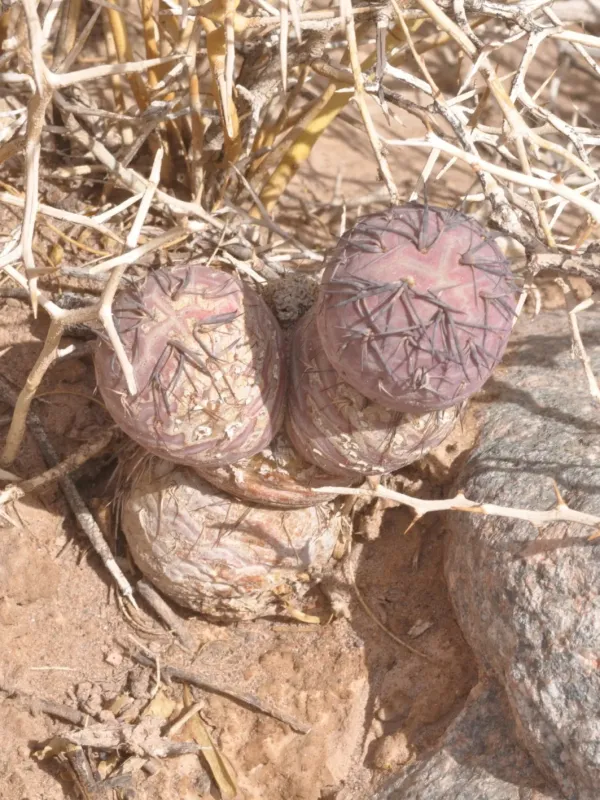
Description
Sowing dates
Propagation of Tephrocactus geometricus is primarily performed through the vegetative separation of its distinct globular segments. These segments must be carefully detached and allowed to air-dry for several days until a calloused layer forms, which prevents rot during rooting.
Seed cultivation is possible but remains a slower and more challenging process, requiring strict sterile conditions and careful monitoring of moisture levels. Seedlings are delicate and grow significantly slower than vegetative cuttings.
When rooting cuttings, a mineral-based substrate consisting of grit, coarse sand, and pumice is recommended to provide optimal drainage. The cutting should be placed on the surface or slightly pressed into the medium without excessive burying.
The ideal time for propagation is during the peak growing season, specifically in late spring or early summer, when metabolic rates are high. This allows the plant to develop a sufficient root system before the onset of the dormant season.
Maintaining high hygiene during propagation is essential to avoid fungal contamination, which is the primary cause of failure when multiplying this species through cuttings.
Growing requirements
Tephrocactus geometricus is a member of the Cactaceae family, natively found in high-altitude environments of Argentina. It is highly adapted to intense solar radiation and significant temperature variations between day and night.
For cultivation, this cactus requires intense, direct sunlight to maintain its compact, geometrically perfect appearance. Lack of light causes etiolation, which compromises the structural integrity and aesthetic value of the plant.
The soil must be strictly mineral, with virtually no organic matter, to ensure rapid water drainage. A mix of pumice, perlite, and fine gravel is preferred, ensuring that moisture does not accumulate around the roots.
Watering should be sparse and only during the active growing phase, always allowing the substrate to dry out completely between waterings. During winter dormancy, the plant must be kept dry at temperatures ranging from 5 to 10 degrees Celsius.
The plant thrives in well-ventilated areas where air circulation prevents the accumulation of humidity, which is critical for preventing physiological disorders and fungal growth in the segmented tissue.
Main diseases and pests
Root rot is the most frequent and deadly threat to Tephrocactus geometricus, caused almost exclusively by improper watering or poor substrate drainage. Signs include soft, dark discolorations of the segments, requiring immediate remedial action.
Spider mites are common pests that target the skin of the cactus, leaving discolored patches and weakening the plant's defense system. Treatment involves the use of specialized acaricides and careful humidity management.
Mealybugs can also become a problem, hiding in the junctions between segments. They feed on plant sap, and their presence can lead to secondary infections by attracting molds and weakening the structural integrity of the plant.
Preventative measures involve regular visual checks of the segments for any signs of webbing or insect activity. Maintaining a clean growing environment is key to minimizing the risk of outbreaks.
In case of disease, infected parts should be isolated from the rest of the collection, and the remaining healthy parts of the plant should be treated with appropriate fungicides to stop the further spread of the pathogen.