
Tephrocactus nigrispinus
Tephrocactus nigrispinus
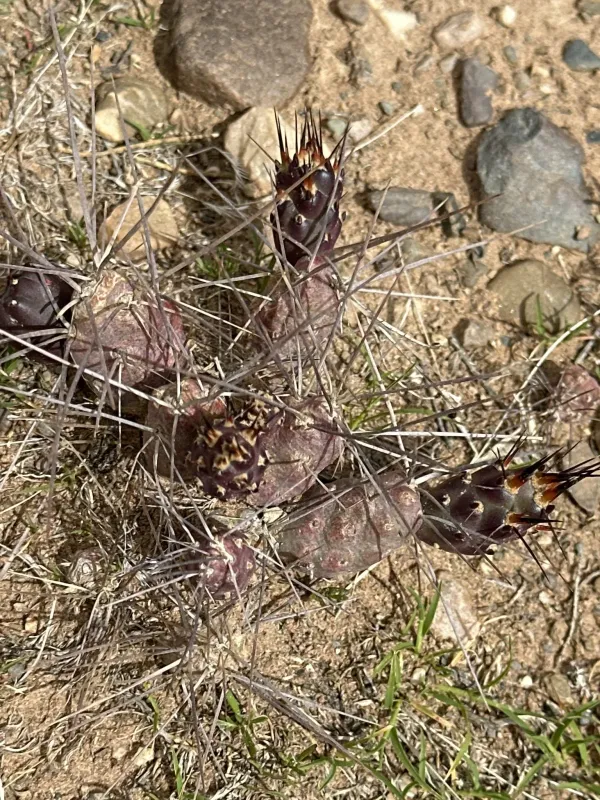
Description
Sowing dates
Propagation of Tephrocactus nigrispinus is typically achieved through segment cuttings. The best time to take a cutting is during the active growing season in late spring or early summer to ensure rapid root establishment.
Once a segment is detached from the parent plant, it must be set aside in a dry, shaded area for several days. This waiting period allows a callous to form over the wound, which is essential to prevent rot during the rooting process.
Use a highly porous, mineral-based substrate for rooting. A blend of coarse sand, perlite, and fine gravel provides the necessary drainage and aeration for the emerging roots to develop without risk of fungal infection.
Seed propagation is a more complex task requiring stable temperatures around 25 degrees Celsius. Seeds should be sown on the surface of a sterile, sandy mix and kept in a high-humidity environment until germination.
Seedlings grow at a slow pace and require patience. It is crucial not to overwater young plants, as their root systems are significantly more fragile and susceptible to pathogens than those of mature specimens.
Growing requirements
Tephrocactus nigrispinus thrives in full sun, which is necessary to maintain its compact growth form and promote the dense development of its characteristic spines. Inadequate light will cause the plant to etiolate.
The soil must be well-draining, mimicking the rocky, mountainous slopes of its native Argentine habitat. A professional cactus mix amended with additional inorganic components like pumice or granite grit is highly recommended.
During the growing season, water the plant thoroughly, but ensure the soil dries out completely before the next watering session. The plant is drought-tolerant, so it is safer to err on the side of dryness than over-moisture.
A winter dormant period is vital for the health of this species. Maintain temperatures between 5 and 10 degrees Celsius and provide complete dryness to simulate the natural cooling of its high-altitude environment.
Good ventilation is key to successful cultivation, as stagnant air can lead to fungal issues. The plant is well-adapted to wide temperature fluctuations, making it suitable for unheated greenhouses during the shoulder seasons.
Main diseases and pests
Root rot is the most frequent cause of failure in Tephrocactus cultivation. This condition is almost always linked to overwatering, especially during periods of low light or low temperatures, when the plant’s metabolism slows down.
Mealybugs are a common pest that tends to hide in the crevices between the plant segments. They can be difficult to eradicate manually, so systemic insecticides are often needed for effective control.
Red spider mites may attack the plant if the air is kept too hot and dry without proper movement. These pests cause discoloration and permanent scarring on the skin of the segments.
Preventive maintenance includes periodic inspection of the root base and the spaces between segments. If pest infestation is detected, isolate the plant immediately to protect the rest of your collection.
Physical damage can occur if the plant is handled roughly, as segments are brittle and detach easily. While these broken pieces can be used for propagation, unnecessary handling should be avoided to preserve the aesthetics.