
Tephrocactus aoracanthus
Tephrocactus aoracanthus
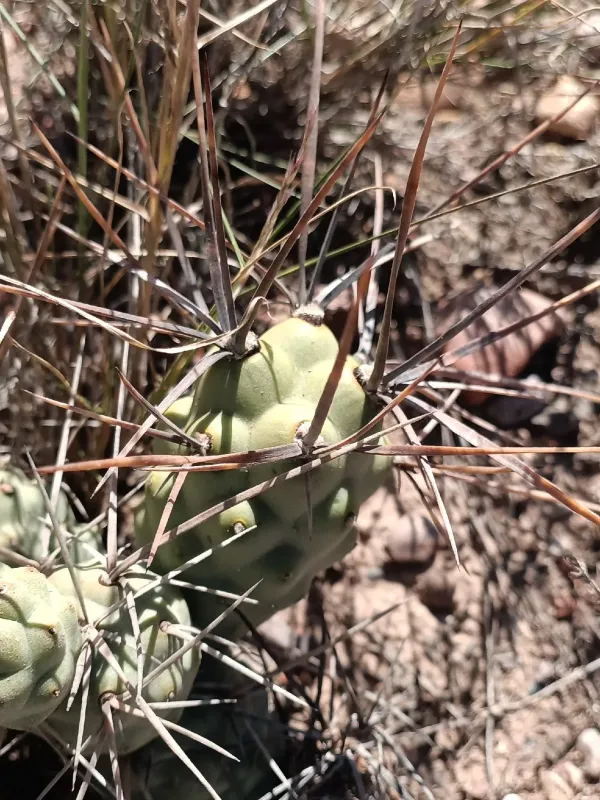
Description
Growing requirements
Tephrocactus aoracanthus belongs to the Cactaceae family and is highly regarded by collectors for its dramatic, long spines and unique, segmented growth habit.
The plant originates from the arid regions of Argentina. In its natural habitat, it thrives in rocky terrain where it receives intense sunlight and experiences significant drainage.
For cultivation, a highly inorganic soil mix is strictly required. A combination of coarse pumice, gravel, and minimal organic compost ensures the root system remains aerated and healthy.
Light intensity is the most critical factor for success. This plant requires full sun exposure to maintain its compact shape and to stimulate the production of its signature long, sturdy spines.
During the dormant winter season, temperatures should be lowered to allow for physiological rest. Watering must be completely suspended to mimic the dry season of its natural habitat.
Main diseases and pests
The primary threat to Tephrocactus aoracanthus is overwatering, which rapidly leads to root rot. Once the roots are compromised, the plant is difficult to save.
Pests such as mealybugs can hide between the segments of the plant. Regular monitoring is essential to catch infestations before they spread across the entire cactus body.
Spider mites are another concern, particularly when plants are grown in indoor environments with poor airflow. They cause tiny, pale spots on the epidermis that permanently damage the plant's appearance.
Fungal pathogens often appear if the plant is kept in stagnant, humid air. Good ventilation is a mandatory requirement for maintaining a collection of these cacti.
Integrated pest management involves using systemic treatments during the early spring and ensuring that the cactus is kept in a clean, dust-free environment.