
Tephrocactus bonnieae
Tephrocactus bonnieae
Description
Growing requirements
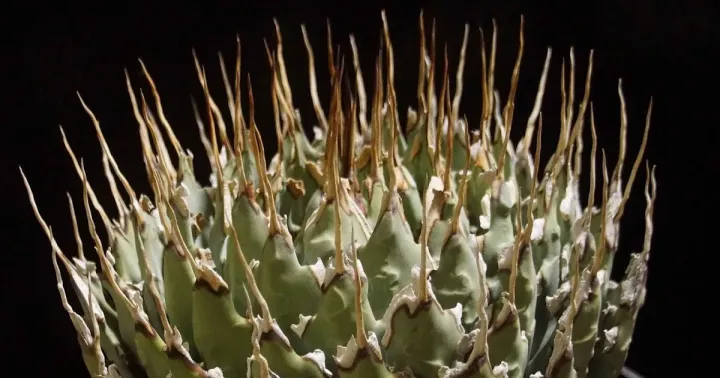
Tephrocactus bonnieae is a distinct species belonging to the Cactaceae family, native to the high-altitude arid regions of Argentina. This plant is highly specialized for survival in desert environments characterized by dramatic temperature fluctuations and low humidity.
The morphology of this plant consists of segmented, globular or cylindrical structures that can form compact mats. Its skin is often pale or bluish-green, which serves as a natural adaptation to minimize water loss and protect against intense UV radiation.
For successful cultivation, Tephrocactus bonnieae requires intense, direct sunlight. When grown indoors, it is essential to place the plant in the sunniest possible location, such as a south-facing window, to maintain its natural, healthy shape.
The substrate must be highly porous and inorganic. A professional mix for this species should include components like pumice, lava rock, and coarse sand. Peat or organic matter should be kept to an absolute minimum to ensure rapid drainage.
Proper water management involves thorough watering during the active growth phase, followed by a complete dry period. During winter, the plant must be kept dry and in a cool environment to mimic its natural dormancy, which is essential for healthy growth.
Main diseases and pests
The primary threat to Tephrocactus bonnieae is root rot caused by stagnant water in the soil. Once the root system is compromised by moisture-induced decay, the infection can quickly spread to the segments, leading to the collapse of the plant.
Mealybugs are common pests that hide in the crevices between the cactus segments. Their presence is often detected by a white, cotton-like substance, and they significantly weaken the plant by feeding on its sap.
Spider mites can also be problematic, particularly in conditions with low airflow. These pests thrive in hot, dry environments, causing discoloration and scarring on the surface of the plant's segments over time.
Preventive measures include maintaining good ventilation around the plant and ensuring that the substrate dries out completely between waterings. This simple practice significantly reduces the risk of fungal and bacterial infections.
If an infestation occurs, treating the plant with systemic insecticides or specialized acaricides is necessary. It is important to treat all parts of the plant, including the hidden areas between the joints, to ensure total eradication.