
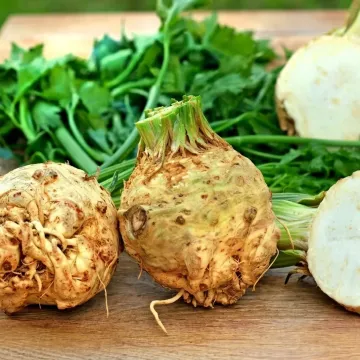
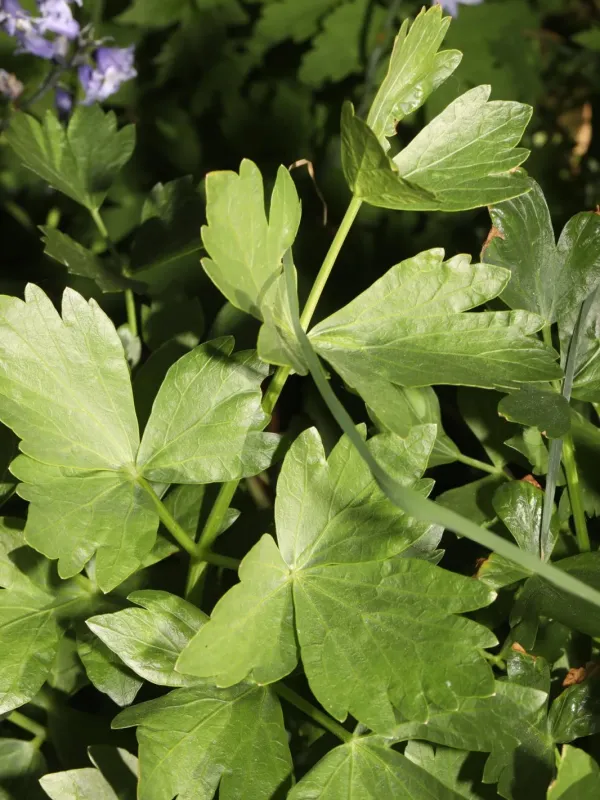
Description
Sowing dates
Celery (Apium graveolens L.) is a biennial plant belonging to the Apiaceae family. Due to its long vegetation period, it is primarily cultivated using the transplanting method.
Seeds are sown in trays 60–80 days before the expected planting date in open ground, typically in late winter or early spring. Due to the high content of essential oils, seeds require pre-soaking to improve germination.
Seedlings are pricked out at the stage of the first true leaf to encourage the development of a strong root system, which is essential for uniform root formation in root-type varieties.
Transplanting into the field occurs after the danger of spring frost has passed, ensuring soil temperatures are consistently above +10°C.
Direct sowing in the field is rarely practiced except for early varieties in regions with long, warm growing seasons, as it often leads to uneven growth and lower yields.
Growing requirements
Celery requires fertile, moist, and well-drained soil with a neutral pH. Muck or peat soils are highly valued for root development, provided moisture levels are managed correctly.
The optimal temperature for growth ranges from +18°C to +22°C. Being a cool-season crop, it can withstand minor temperature fluctuations, but extreme heat may induce bolting.
Full sun exposure is necessary for healthy photosynthesis and leaf development, although protection from strong, drying winds is advisable for fragile petioles.
Regular irrigation is vital throughout the growing cycle, as the plant has a shallow root system and is sensitive to even short periods of water stress.
Cultural practices include side-dressing with nitrogen-based fertilizers during the active growth phase and earthing up or shading for celery stalks to ensure blanching.
Yield
Yield capacity depends heavily on the specific type of celery. Root celery can produce between 2 to 5 kilograms of marketable roots per square meter.
Leaf and stalk varieties are assessed by the total biomass of their edible green parts, which can be harvested multiple times throughout the season under proper management.
Spacing is a critical factor; for root celery, plants should be spaced at least 30–40 cm apart to ensure the roots can swell without competition from neighboring plants.
Drip irrigation systems are recommended to provide constant water supply, preventing the cracking of roots and minimizing the risk of growth interruptions.
High-quality yields are achieved by maintaining good soil structure and implementing crop rotation to ensure the land is not exhausted by heavy feeders like celery.
Main diseases and pests
Major fungal diseases affecting celery include Alternaria blight, Anthracnose, Helminthosporium, and Rhizoctonia, which often thrive in humid conditions.
Sclerotinia rot and Pink rot represent significant threats to crop longevity, potentially causing severe decay during both field growth and storage stages.
Viral infections such as Celery Mosaic Virus and Tomato Mosaic Virus can severely stunt plant development, causing leaf curling and significant economic losses.
Pests such as celery flies and aphids can weaken the plant and serve as vectors for viruses, necessitating an integrated pest management approach.
Prevention strategies involve using certified disease-free seeds, ensuring clean field hygiene, and adhering to strict crop rotation to disrupt pest life cycles.
Harvesting
For leaf celery, harvesting involves cutting the outer leaves once they reach full size, allowing the central part of the plant to continue producing fresh growth.
Root celery is harvested at the end of the season before the ground freezes, as frost damage to the roots significantly reduces their shelf life.
After removal from the soil, the roots are cleaned, the foliage is trimmed to 2 cm, and the crop is air-dried before moving to long-term storage facilities.
Stalk celery is harvested as a whole plant, which requires careful manual labor to ensure the tender stalks are not bruised or broken during the extraction process.
Optimal storage conditions involve low temperatures (0°C to +2°C) and high humidity, with roots buried in clean sand to maintain freshness and prevent shriveling.
In brief
31
Crop diseases
Content graph
Crop diseases · 31
Alternaria leaf spotAlternaria leaf spotAnthracnoseAster yellowsBacterial leaf spotBacterial soft rotBacterial wiltCelery mosaic virusCelery mosaic virusCelery Phoma rotCucumber mosaicFusarium wiltGray moldHelminthosporium leaf spotLate blightMycocentrospora leaf spotParatrichodorus minorPeronosporosisPhoma leaf spotPink rotPowdery mildewPrunus necrotic ringspotPythium damping-offPythium root rotRhizoctonia root rotRoot-knot nematodeSclerotinia rotStemphylium leaf spotSting nematodeTomato mosaic virusXiphinema
Content graph
Connections · Celery
Most often together:
Marketplace


