
Celery
Apium graveolens L. var. dulce (Mill.) Pers.
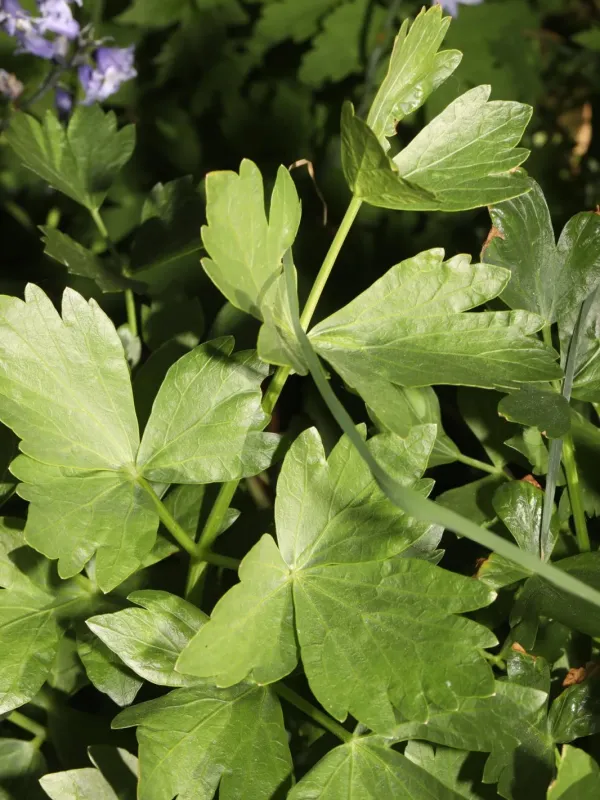
Description
Sowing dates
Celery (Apium graveolens L. var. dulce) is a biennial plant belonging to the Apiaceae family, commonly grown as an annual crop. Due to its long growing season, which can span up to 180 days, it is typically started from transplants in greenhouse conditions long before the last frost date.
Seeds are extremely small and contain inhibitors that require specific conditions for germination. Pre-sowing treatment, such as soaking seeds in warm water for 24 to 48 hours, is highly recommended to improve the uniformity of seedling emergence.
Seedlings should be grown at moderate temperatures. Excessive heat during the early stages of development can lead to bolting later in the season. Proper hardening off before transplanting is essential for the plants to withstand the transition to the field.
Transplanting is carried out when the danger of frost has passed and the soil has sufficiently warmed. Plants are set out at a spacing of 30-40 cm between plants and 50 cm between rows, allowing for proper aeration and growth.
Young plants are highly sensitive to competition from weeds. During the first few weeks after field establishment, it is critical to maintain clean rows to ensure that the celery develops a vigorous root system without nutrient stress.
Growing requirements
Celery requires a cool, moist climate to produce crisp and tender stalks. It thrives in fertile, well-drained, organic-rich soils with a pH between 6.0 and 7.0. Soils that are prone to drying out are not suitable, as the plant needs constant moisture to grow properly.
Water management is the most important aspect of celery cultivation. Insufficient water leads to tough, fibrous, and bitter stalks. Irrigation should be consistent, often utilizing drip systems to minimize the risk of leaf diseases caused by wet foliage.
Fertilizer requirements are high, particularly for nitrogen and potassium. These nutrients should be applied in split doses to support the continuous, rapid growth of the stalks. Micronutrients like boron can also be crucial; a deficiency often manifests as cracking in the stems.
Earthing up or blanching is a common practice for this variety. By pulling soil around the base of the plants, the farmer excludes light from the stalks, which reduces the development of chlorophyll and results in milder, lighter-colored stems.
Mulching is a beneficial practice to keep the soil temperature stable and retain moisture. It also helps in preventing weeds from growing around the shallow root zone of the celery plants.
Yield
The yield of celery is determined by the selection of high-performing hybrids and the consistency of the growing environment. Under professional management, yields can range significantly, but intensive setups can produce substantial tonnage per hectare.
Yield components are heavily influenced by the uniformity of the plant stand. Proper spacing ensures that every plant has enough access to light and nutrients, which maximizes the weight of the harvested stalks.
Irrigation scheduling plays a pivotal role in final crop weight. Sustaining optimal soil moisture throughout the peak growth months ensures the stalks become thick and full, which is the primary objective of commercial growers.
Removal of side shoots during the middle of the season allows the energy of the plant to concentrate on the main bunch. This technique is often used to ensure that the marketed stalks meet the premium size requirements of the produce industry.
Climate factors such as unexpected heatwaves can significantly reduce yield by forcing the plant into premature maturity. Growers mitigate this risk by using season-extension techniques and choosing appropriate varieties for their specific region.
Main diseases and pests
Septoria leaf spot is one of the most common fungal diseases affecting celery. It appears as small, dark spots on the foliage and can quickly spread under warm, humid conditions, severely impacting plant health and quality.
Early blight and late blight are also major threats that can devastate a field. Effective management involves using certified disease-free seed, crop rotation to non-host plants, and timely applications of copper-based fungicides when necessary.
The carrot fly is a significant insect pest that targets the roots and stem bases, causing severe damage that ruins the marketability of the celery. Integrated pest management strategies, such as physical barriers or biological control, are essential.
Aphids are a persistent problem, especially in young plants. They extract cell sap and can transmit viral diseases. Monitoring and prompt intervention with insecticidal soaps or biological controls are standard practices for sustainable production.
Slugs and snails can cause cosmetic damage by chewing on the tender outer stalks. Maintaining a clean field free of debris and using organic slug baits can help reduce the pressure from these mollusks in wet seasons.
Harvesting
Harvesting usually occurs when the stalks reach the desired height and thickness. The entire plant is typically cut at the base, just below the soil line, or pulled entirely depending on the preferred market presentation.
Post-harvest care is critical to maintaining the shelf life of the celery. The stalks should be cooled immediately after harvest to remove field heat and prevent the product from wilting rapidly in storage.
Optimal storage conditions involve high humidity and temperatures very close to 0 degrees Celsius. In these controlled environments, high-quality celery can remain fresh for several weeks if kept away from ethylene-producing produce.
During the sorting and packing process, damaged or discolored outer stalks are removed to ensure the bunch meets quality standards. This process also helps in preventing the spread of secondary pathogens during transit.
In smaller-scale operations, celery can be tied into bunches, which helps maintain the structural integrity of the stems and makes handling easier for wholesale and retail distribution.