
Celeriac
Apium graveolens L. var. rapaceum (Mill.) Gaud.
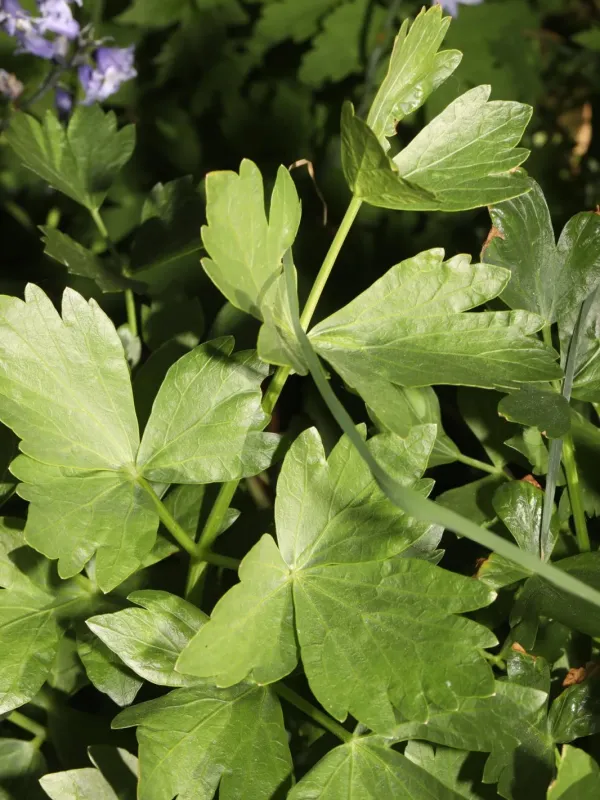
Description
Sowing dates
Celeriac is a crop with a long growing season, typically taking 140 to 200 days from seed to maturity, necessitating indoor starting in most climates.
Sow seeds in late February or early March in seed trays using a light, moist starter mix. Press seeds gently into the surface without covering them with soil.
Pricking out the seedlings into individual pots once they develop two true leaves is essential to encourage a strong, branching root system before transplanting.
Transplant hardened-off seedlings into the garden in mid-to-late May once the threat of late spring frost has passed, as cold snaps induce bolting.
Space the plants approximately 30-40 cm apart in rows, with 45-50 cm between rows, to provide sufficient room for the swollen root base to develop.
Growing requirements
Celeriac, a member of the Apiaceae family, thrives in fertile, well-draining soil that is rich in organic matter and maintains a neutral pH balance.
Consistent moisture is critical; periods of drought can cause the roots to become woody, misshapen, or split, drastically reducing the quality of the crop.
The plant prefers temperate conditions with optimal growth occurring at temperatures between 18°C and 22°C during the long daylight hours of summer.
Choose a location in full sun, as shade will limit photosynthesis and result in smaller, underdeveloped root structures that lack intense flavor.
Regular maintenance includes shallow hoeing to control weeds and gently removing soil from around the shoulders of the bulb during late summer.
Yield
The yield of celeriac depends heavily on cultivar selection, soil preparation, and the consistency of irrigation provided throughout the growing season.
Under intensive management and favorable environmental conditions, growers can expect an average yield of 2 to 5 kilograms per square meter.
Modern hybrid varieties are bred for high productivity, providing uniform root shapes and resistance to common physiological disorders during growth.
The weight of a single harvestable bulb can vary widely, ranging from 200 grams to nearly 1 kilogram for large, well-fed specimens grown in ideal soil.
Applying a balanced fertilizer early in the season and supplementing with potassium-rich nutrients in late summer helps optimize bulb size and density.
Main diseases and pests
Septoria leaf spot is the most significant disease, manifesting as small brown spots on the leaves that can eventually lead to widespread defoliation.
Root rot can occur in poorly drained, compacted soils where moisture accumulates, causing the lower parts of the bulb to decay prematurely in the ground.
Carrot rust flies pose a major threat, as their larvae burrow into the root system, creating tunnels that destroy the marketability of the celeriac.
Aphid infestations can stress the plants in early development, leading to curled leaves and stunted growth, which ultimately affects root development.
- Use high-quality, certified seeds to avoid seed-borne diseases.
- Implement strict crop rotation schedules (3-4 years) for the bed.
- Use physical barriers to protect seedlings from insect pests early on.
Harvesting
Harvest celeriac in late autumn, ideally after the first light frosts, which some gardeners claim enhances the sweet, nutty flavor of the roots.
Carefully lift the roots using a garden fork to minimize damage to the skin, as any bruising or cuts can invite storage rots during the winter months.
Trim off the foliage, leaving only a short stump of about 2 centimeters, which helps reduce moisture loss while the roots are in storage.
Clean the roots of excess soil and allow them to cure for a day or two in a cool, shaded area before moving them to a long-term storage facility.
Store in a root cellar or cool garage at 0–2°C, ideally packed in damp sand to maintain high humidity and prevent the bulbs from shriveling up.