
Description
Symptoms
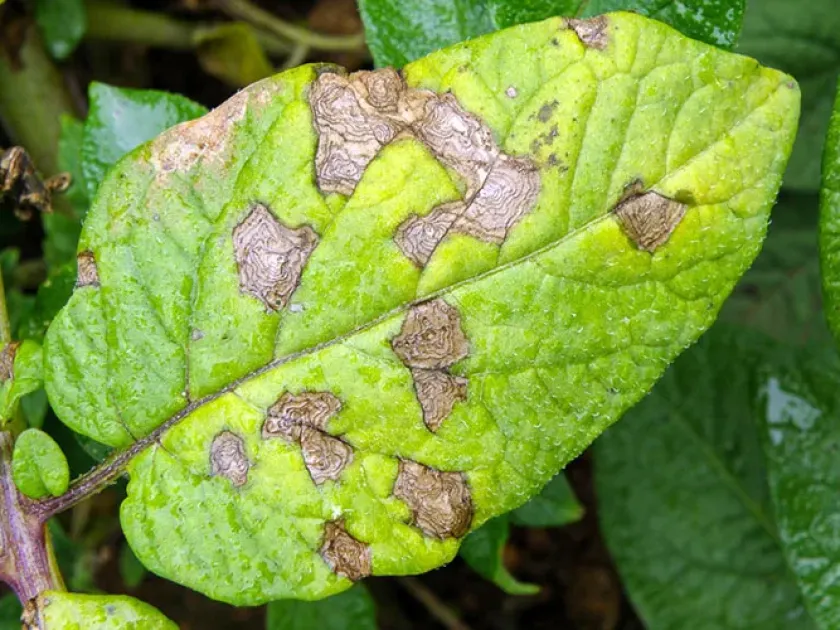
The primary symptom is the appearance of leaf spots, which typically develop on older, lower leaves first. These spots are usually brown, dark brown, or black, often with a characteristic concentric ring pattern.
Under high humidity, these necrotic spots are covered with a velvety, olive-to-black fungal growth, which consists of mycelium and spore-bearing structures. This appearance is a diagnostic feature for many Alternaria species.
On larger organs like walnut or almond shells, the infection presents as black, sunken lesions. On vegetables, it can lead to stem girdling, which results in the wilting and death of the entire plant section above the infection site.
In ornamental species such as roses or Gerbera, lesions can appear on petals and leaves, causing rapid decline in aesthetic quality. Affected leaves eventually turn yellow and drop prematurely.
In advanced stages, lesions coalesce, leading to severe leaf blight. This reduction in leaf area severely restricts the plant's ability to photosynthesize, ultimately leading to stunted growth and reduced yields.
Pathogen
The disease is caused by various species of the Alternaria fungus. These are opportunistic pathogens that produce large, pigmented spores called conidia, which can survive for long periods in soil, crop debris, and on seeds.
Alternaria belongs to the group of imperfect fungi and is known for its wide host range. It affects numerous economically important plants, including celery, sugar beet, watermelon, corn, as well as ornamentals like Gerbera Jamesonii, almonds, walnuts, and roses.
The lifecycle of the pathogen is driven by environmental conditions. During favorable weather, the fungus produces massive amounts of conidia that are disseminated primarily by wind and splashing rain to healthy plant tissues.
Penetration into the plant occurs through stomata, wounds, or even directly through the cuticle in susceptible cultivars. Once inside, the fungus colonizes the tissue, causing localized cell death through the release of host-specific toxins.
Genetic diversity within the genus allows these fungi to develop resistance to certain fungicides, necessitating an integrated approach to disease management that combines chemicals with cultural practices.
Conditions for development
Alternaria thrives in warm and humid climates. The ideal temperature range for rapid infection and symptom development is between 20°C and 30°C, combined with prolonged periods of leaf wetness.
Rainy weather, heavy dew, or overhead irrigation are major contributors to the spread of the disease. Water droplets on foliage allow conidia to germinate and penetrate the plant tissue efficiently.
Plants under physiological stress are significantly more susceptible. Factors such as nutrient deficiencies, improper water management, or previous damage by pests lower the plant's defense mechanisms against fungal colonization.
Poor aeration in dense plantings creates a microclimate with high humidity, which accelerates the disease cycle. This is particularly problematic in greenhouses or closely planted high-density crops.
The presence of infected debris is the main source of primary inoculum. In fields where susceptible crops are grown consecutively, the pathogen population in the soil increases, leading to more frequent and severe outbreaks.
Why it matters
The economic impact of Alternaria is substantial. It causes significant reductions in marketable yield due to foliage loss and direct damage to fruits, tubers, or nuts.
In addition to field losses, post-harvest decay is a major concern. The fungus can persist in produce, causing rot during storage and transit, which often leads to total rejection of shipments.
For crops like corn or root vegetables, the disease can impair the quality of the harvested produce, lowering its grade and processing potential. This translates into direct financial losses for the grower.
In ornamental industries, even minor spots on flowers or leaves can render a plant unsalable. This necessitates rigorous and expensive spraying programs to maintain quality standards.
Overall, the disease forces growers to increase their input costs for fungicides and labor, while the uncertainty of potential outbreaks poses a constant risk to the profitability of the agricultural enterprise.
Protection
Effective management begins with robust cultural practices. Crop rotation is essential; non-host crops should be planted in fields for at least 3 years to reduce the soil-borne inoculum level.
Sanitation is critical. Post-harvest, all plant debris must be removed, buried deeply, or burned to prevent the fungus from surviving until the next planting season.
Chemical control involving fungicides, particularly those containing chlorothalonil, mancozeb, or newer systemic strobilurins, should be applied preventively or at the very first sign of disease symptoms.
Optimizing plant health through balanced fertilization (specifically potassium and phosphorus) and avoiding moisture stress makes plants more resilient against the pathogen's invasion.
- Use of certified, pathogen-free seeds
- Implementing drip irrigation to keep foliage dry
- Thinning plants to improve airflow
- Pruning and removing infected plant parts immediately
- Monitoring weather patterns to time fungicide applications
Pathogens and affected parts
Affects crops · 8
Discussion
No discussions yet — be the first.