
Leaf celery
Apium graveolens L. var. secalinum (Alef.) Mansf.
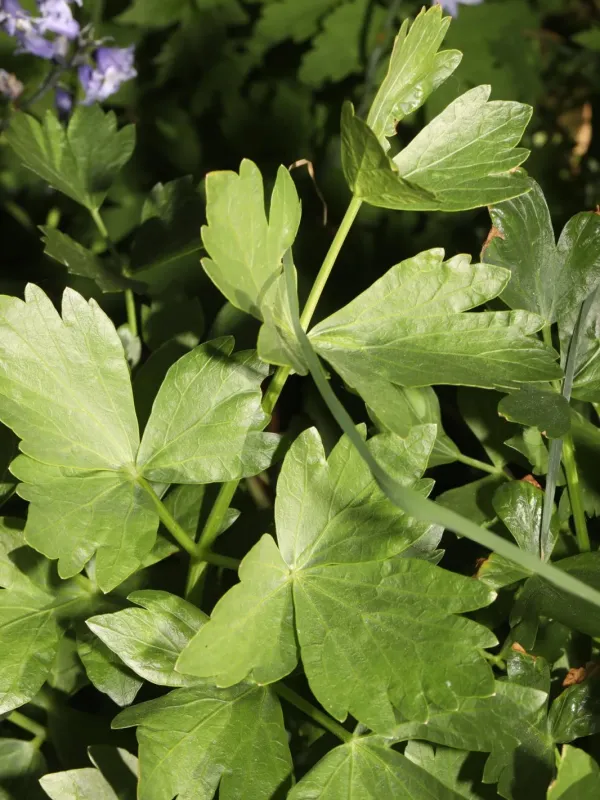
Description
Sowing dates
Leaf celery requires a long growing season, which makes starting seeds indoors in late winter or early spring a standard practice for many gardeners.
The seeds are very small and germinate slowly; it is recommended to soak them for 24 hours before sowing to improve the germination rate significantly.
Indoor seedlings should be provided with ample light to prevent them from becoming leggy and weak before being transplanted into the soil.
Transplanting into the garden occurs after the danger of frost has passed, usually in mid-spring, ensuring the plants have established a good root system.
Direct sowing in the garden is possible in warmer climates, but it requires careful attention to moisture levels to ensure that the tiny seeds do not dry out.
Growing requirements
As a member of the Apiaceae family, leaf celery thrives in cool-season conditions and prefers moist, fertile, and well-drained soil rich in organic matter.
Consistent moisture is the key to success; leaf celery should never be allowed to dry out completely, as this leads to stunted growth and bitter leaves.
While the plant prefers full sun exposure to develop its characteristic intense aroma, it can tolerate partial shade, especially during the peak of summer heat.
Regular applications of balanced organic fertilizers or compost tea help support the rapid production of high-quality, aromatic green foliage.
The optimal temperature range for the development of leaf celery is between 15 and 22 degrees Celsius, as extreme heat can trigger premature bolting.
Yield
The yield of leaf celery is measured by the total weight of harvested leaves over the course of the growing season rather than a single harvest.
With proper care and frequent harvesting, a small bed can provide an abundant supply of fresh greens for cooking and garnishing throughout the summer.
Regular cutting of the outer leaves encourages the plant to continue producing new, tender foliage from the center of the crown.
High nitrogen levels in the soil are essential for maintaining continuous production, especially after harvesting large amounts of leaf mass.
One well-maintained square meter of leaf celery can yield several kilograms of fresh leaves, making it a highly productive choice for the home garden.
Main diseases and pests
Fungal diseases like leaf spot and Septoria blight are common threats, especially in humid conditions or where there is poor air circulation between plants.
Pests such as aphids and the celery leaf miner can cause significant damage to the foliage, necessitating prompt identification and management.
Preventive measures include keeping the foliage dry when watering, thinning plants to ensure good airflow, and practicing crop rotation every season.
In case of pest outbreaks, using horticultural soaps or neem oil is often sufficient for home gardeners to control the damage without harmful chemicals.
Monitoring the undersides of leaves regularly allows for the early detection of insects, which is critical for protecting the delicate greenery.
Harvesting
Harvesting begins once the plants are about 20 to 25 centimeters tall, allowing for the first selection of the most mature outer leaves.
Using sharp scissors or a knife, you should trim the leaves close to the base, taking care not to damage the central heart of the plant.
The harvested leaves are best used fresh but can also be preserved by drying or freezing, which retains much of the flavor for winter use.
A final harvest of the entire plant can be performed before the first hard freeze, ensuring that no potential produce goes to waste.
For the best flavor, harvest early in the morning when the essential oils in the leaves are at their peak concentration and the plants are fully turgid.