
Apium prostratum
Apium prostratum Labill.
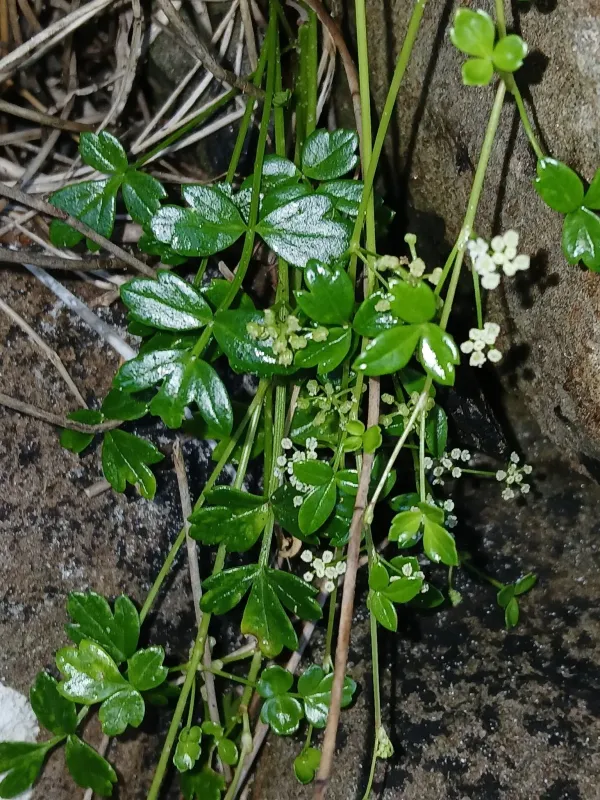
Description
Sowing dates
Sowing this crop is best performed in a greenhouse environment during late winter to ensure high-quality seedlings. For direct sowing into the field, it is necessary to wait until soil temperatures consistently reach 15 degrees Celsius.
The seeds have a protective layer, so soaking them in lukewarm water for twenty-four hours before sowing can significantly improve germination rates. Maintaining constant substrate moisture is critical until seedlings emerge.
The recommended planting spacing is approximately 30 centimeters between rows. Seed depth should be minimal, not exceeding one centimeter, as small seeds require light and surface heat to initiate growth effectively.
In temperate climates, direct field sowing should not occur before mid-spring. Protecting young plants with row covers is advised, as they are sensitive to late spring frosts which can hinder their early development.
Transplanting seedlings is the preferred method for commercial production as it allows for a shorter growing season in the field. Seedlings should be hardened off and planted at 60 to 70 days of age.
Growing requirements
Apium prostratum is a fascinating member of the Apiaceae family, naturally adapted to coastal salt-marshes. It thrives in sunny locations with light, well-draining soils that mimic its natural habitat.
While the crop requires consistent moisture, it cannot tolerate waterlogged conditions. It exhibits a notable tolerance for saline soils, making it a unique candidate for cultivation in coastal agricultural zones.
The ideal soil pH for this species ranges from neutral to slightly alkaline. Incorporating compost or organic matter before planting provides the necessary nutrients for robust leaf development and aromatic oil production.
This plant is well-adapted to windy coastal conditions. However, extreme heat can stress the plants and trigger premature bolting, so providing some shade during the peak of summer is recommended for inland cultivation.
Temperature optimization is key, with growth performing best between 18 and 22 degrees Celsius. Maintaining consistent temperatures helps in producing high-quality foliage suitable for culinary use.
Yield
The yield of Apium prostratum is heavily dependent on planting density and soil fertility management. With proper care, producers can harvest several kilograms of fresh foliage per square meter throughout the season.
Top-dressing with balanced nitrogen-rich fertilizers during the active growth phase significantly boosts biomass. However, excessive nitrogen should be avoided to prevent the buildup of nitrates in the leaf tissues.
Frequent, careful harvesting of outer leaves encourages the plant to continue producing fresh growth from the center. This regenerative nature allows for multiple harvests within a single growing cycle.
Commercial yields are optimized through precision irrigation and consistent weed control. Using mulch helps regulate soil moisture and temperature, which are essential for maximizing the overall plant health.
Technical maturity is reached approximately 100 to 120 days after sowing. At this stage, the plant reaches its peak aromatic potential, making it ready for processing or fresh market distribution.
Main diseases and pests
Septoria leaf spot is the most common fungal threat, often emerging when humidity is consistently high. Ensuring good air circulation and following strict crop rotation are vital preventative measures.
Root rot occurs if drainage is poor or if the soil remains excessively wet for long periods. Proper field preparation and the use of raised beds can mitigate the risk of pathogen accumulation.
Aphids and spider mites are frequent pests that attack the foliage. Integrated pest management, including the use of biological control agents and organic soaps, is recommended to protect the crop without using harsh chemicals.
Slugs and snails can cause significant damage to young leaves in damp conditions. Installing physical barriers or using copper tape around the plot is effective in preventing these pests from reaching the foliage.
Regular monitoring of the plantation is essential to detect early symptoms of disease. Prompt removal and destruction of affected plant parts prevent the spread of infections across the field.
Harvesting
Harvesting is performed by carefully cutting the outer leaves with a sharp knife or shears. It is critical to avoid damaging the central growing point, which allows the plant to continue producing new leaves.
The best time for harvesting is early in the morning when the foliage is hydrated and the concentration of essential oils is at its highest. This practice ensures better flavor intensity and longer shelf life.
Post-harvest handling requires immediate cooling of the product. Placing the harvested leaves in a refrigerated environment between 0 and 2 degrees Celsius helps maintain freshness for several days.
For long-term storage, the foliage can be dried in a shaded, well-ventilated area or frozen. Frozen leaves retain their aromatic properties effectively, making them useful for cooking throughout the year.
Avoid harvesting during wet weather as foliage collected while damp is prone to rapid decay during storage. Proper drying on the plant after dew evaporates is a standard procedure for high-quality production.