
Description
Symptoms
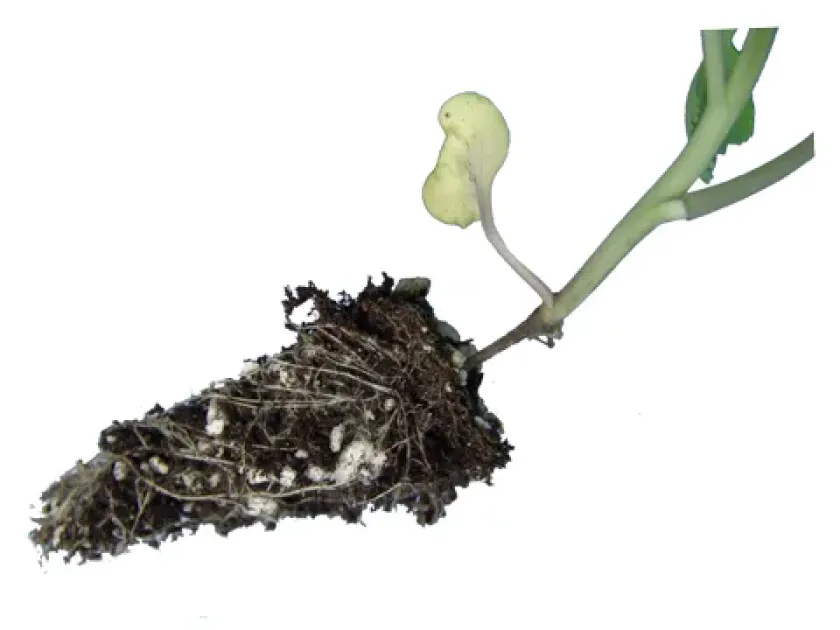
The primary symptom is known as "damping-off," where the stem near the soil line darkens, becomes thin and water-soaked, and loses its structural integrity. The seedling quickly collapses onto the soil surface.
Root systems of infected plants turn brown and begin to rot rapidly. A key diagnostic feature is the tendency of the decayed outer root tissues to slough off, leaving the central vascular cylinder exposed.
A thin, white or grayish web-like mycelial growth often appears on the soil surface surrounding the affected plant. This is particularly common in high-humidity greenhouse environments.
The disease typically manifests in patches, starting with a few dead seedlings and rapidly spreading to adjacent plants. Germinating seeds may also rot before they even emerge from the soil.
Infected seedlings appear chlorotic, stunted, and weak. Early stages of the infection are characterized by a lack of vigor and an overall decline in the health of the young plant.
Pathogen
The causative agent of the disease is the oomycete Globisporangium debaryanum (formerly known as Pythium debaryanum). This soil-borne pathogen belongs to the group of pseudo-fungi and is highly resilient in diverse environments.
The mycelium develops in the soil, utilizing organic debris as a food source, and transitions to a parasitic lifestyle when a susceptible host is available. Motile zoospores move through soil water to reach the roots of young plants.
The infection persists in the substrate through oospores, which can remain dormant for many years. This high level of persistence makes the pathogen particularly difficult to eradicate from infected soil.
This pathogen affects a wide range of agricultural crops during the early stages of development. Susceptible plants include vegetables, such as celery, as well as many ornamental species.
In celery, the pathogen quickly invades the root and hypocotyl tissues, destroying the vascular system of the seedling. This rapid destruction often leads to total crop failure in seed trays.
Conditions for development
Excessive soil moisture is the primary factor favoring the development of the pathogen, as water is required for zoospore movement. Overwatering seed trays is the most common trigger for an outbreak.
The optimal temperature range for pathogen activity is between +15°C and +25°C. However, the organism remains capable of infecting plants at lower temperatures, complicating early-season production.
Poor agricultural practices, such as excessive seeding density, restrict air circulation and promote the high-humidity microclimate required for rapid pathogen spread.
The use of non-sterilized soil is the most frequent source of primary contamination. Furthermore, acidic or neutral soil pH levels (pH 5.0–7.0) are highly conducive to the growth of Globisporangium debaryanum.
Low light conditions in greenhouses, common during early spring, slow down seedling growth and decrease their natural resistance, making them significantly more vulnerable to infection.
Why it matters
The primary damage is the death of seedlings, which necessitates replanting and delays the harvest schedule. This causes significant economic losses, especially for crops with a long seedling phase.
The disease reduces plant stand density, which directly impacts potential yields. Even surviving seedlings are often stunted and fail to reach full maturity or optimal market size.
For celery production, Pythium damping-off poses a critical threat, potentially destroying entire batches of nursery transplants. This creates high risks for professional growers.
The presence of the pathogen in the soil complicates subsequent crop rotations. Once established, the pathogen accumulates, making future cultivation of susceptible species challenging without intensive soil treatment.
Poor root development resulting from partial infection impacts nutrient uptake throughout the life of the plant. This leads to inferior final product quality, affecting marketability.
Protection
Effective management relies on strict control of water regimes: provide adequate ventilation and avoid over-saturating the substrate. Proper irrigation management is the most effective preventative measure.
Disinfecting soil mixes before planting via steam sterilization or approved chemical fungicides is essential. Containers should also be thoroughly cleaned and sanitized before reuse.
Utilizing high-quality, treated seed lots significantly lowers the risk of early-stage infection. It is recommended to use systemic fungicides that specifically target oomycetes.
Maintaining optimal seeding rates ensures good airflow and prevents the creation of favorable environments for fungal growth. Improving lighting helps promote vigorous seedling development and resilience.
If an outbreak occurs, immediately remove infected plants and surrounding soil, and sanitize all tools. Applying specific fungicides to the remaining healthy plants may help contain the disease spread.
Pathogens and affected parts
Affects crops · 1
Discussion
No discussions yet — be the first.