
Reference · Diseases
Rots (fungal)
Plant rots are a group of destructive diseases affecting crops globally, triggered by fungi, bacteria, or oomycetes. Common pathogens such as Fusarium, Phytophthora, and Erwinia break down cellular structures, leading to the decay of stems, roots, fruits, or tubers. These pathogens are often soil-borne, making them persistent threats in various agricultural systems.
327
items
What the section contains
 Strawberry diplodiosis
Diplodina lycopersici
Strawberry leaf spot
Septogloeum potentillae
Suberoteratosphaeria
Suberoteratosphaeria
Suberoteratosphaeria suberosa disease
Suberoteratosphaeria suberosa
Strawberry diplodiosis
Diplodina lycopersici
Strawberry leaf spot
Septogloeum potentillae
Suberoteratosphaeria
Suberoteratosphaeria
Suberoteratosphaeria suberosa disease
Suberoteratosphaeria suberosa
 Surface Fusarium rot of sweet potato
Hypomyces ipomoeae
Surface Fusarium rot of sweet potato
Hypomyces ipomoeae
 Sweet potato chlorotic stunt
Sweet potato
Teratosperma sclerotivorum
Teratosperma sclerotivorum
Teratosphaeria leaf spot
Teratosphaeria proteae-arboreae
Sweet potato chlorotic stunt
Sweet potato
Teratosperma sclerotivorum
Teratosperma sclerotivorum
Teratosphaeria leaf spot
Teratosphaeria proteae-arboreae
 Texas root rot
Phymatotrichopsis omnivorum
Texas root rot
Phymatotrichopsis omnivorum
 Tobacco barn rot
Fungi
Tobacco barn rot
Fungi
 Tomentosus root rot
Inonotus tomentosus
Tomentosus root rot
Inonotus tomentosus
 Trichaptum abietinum
Trichaptum abietinum
Trichaptum abietinum
 Trichoderma fruit rot
Trichoderma
Trichoderma fruit rot
Trichoderma
 Trichoderma root rot
Trichoderma harzianum
Trichoderma root rot
Trichoderma harzianum
 Turkey tail
Trametes versicolor
Turkey tail
Trametes versicolor
 Ustilina root rot
Ustilina deusta
Ustilina root rot
Ustilina deusta
 Velvet shank
Tapinella atrotomentosa
Velvet shank
Tapinella atrotomentosa
 Verbena powdery mildew
Sphaerotheca verbenae
Verbena powdery mildew
Sphaerotheca verbenae
 Violet root rot
Helicobasidium brebissonii
Violet root rot
Helicobasidium brebissonii
 Violet root rot of carrot
Rhizoctonia carotae
Violet root rot of carrot
Rhizoctonia carotae
 White fibrous rot
Resinicium bicolor
White leaf spot of elder
Entyloma serotinum
White fibrous rot
Resinicium bicolor
White leaf spot of elder
Entyloma serotinum
 White mold
Sclerotinia
White mold
Sclerotinia
 White root rot
Rigidoporus microporus
White root rot
Rigidoporus microporus
 White wood rot (pleurotosis)
Pleurotaceae
White wood rot (pleurotosis)
Pleurotaceae
 Witches' broom disease of cacao
Crinipellis perniciosa
Yeast soft rot
Kluyveromyces marxianus
Witches' broom disease of cacao
Crinipellis perniciosa
Yeast soft rot
Kluyveromyces marxianus
Marketplace
Products in this section · 12





Rots (fungal)
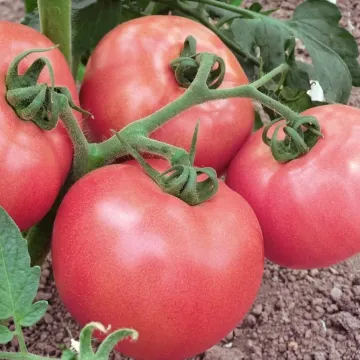
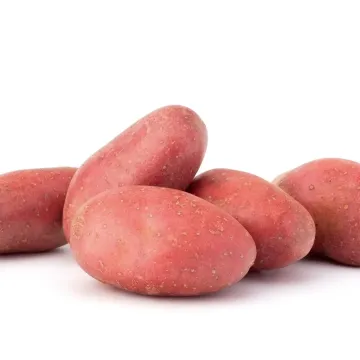
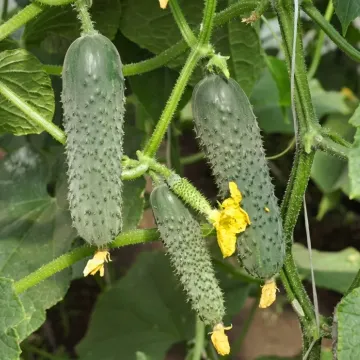
Virtually all cultivated plants are susceptible to one or more types of rot, including cereals, vegetables, fruits, and ornamental plants. The impact is significant not only during the growth phase, where it causes damping-off or wilting but also post-harvest. Rot-induced losses in storage can reach devastating levels, often ruining the economic value of an entire seasonal yield.
Symptoms typically involve tissue softening, discoloration, foul odors, and the visible presence of mold or mycelial growth. As the infection progresses, roots may decay entirely, causing the plant to wither and eventually collapse. Fruit rots often present as sunken, dark lesions that gradually spread to cover the entire surface, potentially mummifying the affected tissue.
The spread of these diseases is heavily dictated by environmental factors, particularly excessive soil moisture, high humidity, and poor aeration. Warm temperatures often accelerate the growth of fungal pathogens. Furthermore, physical damage from pests, weather events, or poor cultivation practices creates easy entry points for bacteria and fungi to colonize the host plant tissue.
Effective management requires an integrated approach that focuses on prevention. Key strategies include planting resistant varieties, practicing strict crop rotation, and ensuring good field drainage. Chemical control, including seed treatments and targeted fungicide applications, is essential in high-pressure areas. Maintaining proper hygiene in storage facilities is also critical to prevent disease spread after harvest.
- Use of certified disease-free seeds
- Optimizing irrigation systems
- Regular soil health monitoring
- Strategic fungicide application
- Sanitation of storage areas