
Description
Symptoms
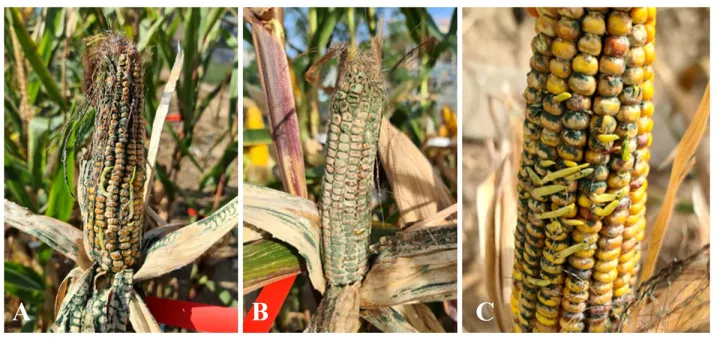
The most distinctive symptom is the appearance of a cottony, white mold on the fruit surface. As the fungus matures, it develops characteristic emerald-green or bright green spore patches.
The internal tissue of the infected fruit quickly loses structural integrity, turning into a watery, mushy mass. The exterior skin may remain intact for a short period before it also collapses.
On cranberries, affected berries appear dull, shriveled, and are covered in the typical green spore mass. The infection spreads rapidly from a single infected berry to adjacent ones in a cluster.
A foul, musty odor is often associated with advanced stages of Trichoderma rot, which helps distinguish it from other types of fruit decays in the field or in storage bins.
Under a magnifying lens, the surface of the rot shows dense clusters of conidiophores, often arranged in tufts. The lack of dark sclerotia distinguishes this from other common fruit rots like gray mold.
Pathogen
The causal agent of this disease is the fungus from the Trichoderma genus (most commonly Trichoderma viride or Trichoderma koningii). While these fungi are often used as biological control agents, they can act as pathogens under specific environmental conditions.
This disease is categorized as a soft rot that typically attacks damaged or mature plant tissues. It thrives as a saprophyte, decomposing organic matter, but rapidly turns into a pathogen when fruit moisture content is high.
The primary inoculum is found in the soil and on decaying plant debris. Spores (conidia) are disseminated via air currents, splashing rain, or human activities during farming operations.
Infection is opportunistic and primarily targets tissues where the skin is compromised. Its ability to produce a wide range of enzymes allows it to degrade plant cell walls very efficiently.
Crops such as cranberries are particularly vulnerable, especially when berries are in contact with damp soil or during storage if post-harvest handling protocols are not strictly followed.
Conditions for development
High humidity levels (above 80-90%) and temperatures ranging from +20°C to +25°C are optimal for the rapid colonization of host tissues by the Trichoderma fungus.
Poor aeration within the crop canopy, caused by overcrowding or excessive foliage, promotes the stable, moist microclimate that this pathogen requires for spore germination.
Physical injuries to the skin—caused by insects, mechanical harvesters, or hail—act as primary entry points. Without these openings, the healthy skin of the berry acts as a natural barrier.
Excessive moisture on the soil surface, particularly in cranberry bogs with poor drainage, maintains high inoculum pressure near the developing berries.
Storage conditions with inadequate air circulation and high internal moisture lead to rapid "nesting" or spreading of the rot throughout the entire container of harvested produce.
Why it matters
The primary economic impact is the rapid post-harvest loss of produce. Once established in a storage crate, Trichoderma can spoil the entire batch within a very short timeframe.
Infected fruit becomes completely unfit for human consumption, processing, or fresh market sales, leading to substantial financial losses for growers.
The spread of spores during harvesting and sorting processes can lead to widespread contamination, making it extremely difficult to isolate and contain the infection once it begins.
The presence of this fungus may result in the production of metabolites that can compromise the safety and shelf-life of the harvested crop, even if the berries appear partially healthy.
Repeated outbreaks lead to increased costs associated with fungicide applications, more labor-intensive sorting, and the necessity to improve infrastructure for drying and storage.
Protection
Effective management focuses on improving cultural practices, such as optimizing plant spacing to enhance airflow and prevent humidity buildup within the canopy.
Sanitation is critical; removing decaying plant debris and mummies from the field reduces the primary source of the fungal inoculum for the next season.
Minimizing mechanical injury during the harvesting process is a vital step in preventing the disease, as intact berry skins are generally resistant to Trichoderma infections.
Strict post-harvest management, including rapid cooling and maintaining dry storage conditions, is essential to halt the growth of the fungus after the produce is gathered.
- Apply preventative fungicides based on local agricultural guidelines.
- Ensure adequate field drainage to prevent water stagnation around the base of plants.
- Clean and sanitize harvest containers regularly.
- Sort harvest carefully to remove any damaged or already rotting berries before long-term storage.
Pathogens and affected parts
Affects crops · 1
Discussion
No discussions yet — be the first.