
Description
Symptoms
The first external symptom is typically stunting, followed by chlorosis and wilting of the leaves, starting from the base of the plant and moving upwards. The plant loses vigor and may collapse completely.
Examination of the root system reveals characteristic browning and necrosis of the primary and secondary roots. The tissues become soft, mushy, and show signs of rapid decay, especially under humid conditions.
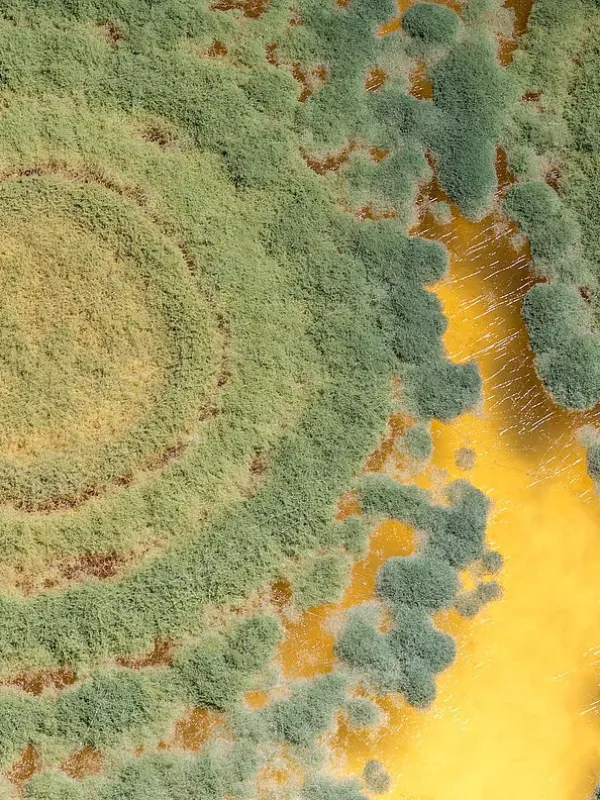
Under high humidity, a distinctive white or greenish fungal growth may appear on the roots or the collar region. This mold consists of massed spores, which are the primary indicators of active colonization.
The root system often loses its structural integrity, making the plant very easy to pull out of the soil. The fine root hairs are usually destroyed, preventing proper nutrient and water uptake.
In crops like chickpeas, infection often occurs at the seedling stage, causing "damping-off" symptoms. Infected seedlings show blackened, shriveled bases and fail to establish a healthy stand.
Pathogen
The disease is caused by the soil fungus Trichoderma harzianum. While many strains of Trichoderma are used as beneficial biological control agents, specific strains can act as opportunistic pathogens that compromise root health under stress.
This fungus is a common soil saprophyte that produces large quantities of spores. It thrives in decaying organic matter and can persist in the soil for long periods as chlamydospores or dormant mycelium.
As a pathogen, it acts by degrading plant tissues using a complex cocktail of cellulolytic and pectinolytic enzymes. These enzymes break down the root cell walls, allowing the fungus to colonize the plant systemically.
The pathogen is highly adaptable and can survive extreme environmental conditions, making it a persistent threat in agricultural fields with a high history of organic residue accumulation.
Invasion typically begins when the plant's natural defense mechanisms are weakened, allowing the fungus to transition from a beneficial or neutral soil inhabitant to a damaging parasite.
Conditions for development
High soil moisture and waterlogging are the primary environmental drivers of this disease. Excessive water reduces oxygen availability in the root zone, which significantly stresses the plant.
The fungus is most active and aggressive at soil temperatures between 20°C and 28°C. During these conditions, the rapid growth of the fungal mycelium easily outpaces the root development of the host plant.
Acidic soil conditions (low pH) are known to exacerbate the disease, as they weaken the plant’s defensive cell wall structures, making them more susceptible to the fungus's enzymatic attacks.
High levels of undecomposed crop residues in the soil provide a constant food source for the pathogen, leading to higher initial inoculum levels at the start of the next planting season.
Mechanical injuries to the root system, caused by cultivation equipment or soil pests, provide easy entry points for the pathogen to establish a successful infection in the host tissues.
Why it matters
The primary economic impact is the loss of plant stands, which reduces yield density. In severe outbreaks, the damage is so extensive that entire fields may require reseeding.
Root damage results in physiological stress, which manifests as reduced biomass, delayed flowering, and significantly lower seed quality, especially in sensitive legume crops like chickpeas.
The colonization of roots by this pathogen hampers the uptake of nitrogen, phosphorous, and potassium, rendering fertilization programs ineffective and reducing overall farm profitability.
Plants that survive the initial infection are prone to secondary infections from other soil-borne pathogens, as the compromised root system offers no protection against opportunistic fungal invaders.
Persistent soil contamination makes it difficult to grow high-value susceptible crops, necessitating long-term crop rotation strategies or expensive soil sanitation measures.
Protection
Implementing a robust crop rotation program is the most effective management tool. Rotating susceptible crops with non-host species for 3–4 years helps reduce the inoculum density in the field.
Seed treatment with broad-spectrum fungicides is essential for protecting young seedlings from soil-borne fungi during the most vulnerable stage of development.
Improving soil drainage and managing irrigation practices to avoid standing water can create an environment that is unfavorable for fungal growth while supporting healthy root development.
Adjusting soil pH to an optimal range through liming can strengthen plant cell walls and suppress the activity of the pathogen, thereby increasing the host's natural resistance.
Proper field hygiene, including the deep incorporation of crop residues after harvest, facilitates faster decomposition and denies the pathogen a long-term food source in the soil.
Pathogens and affected parts
Affects crops · 1
Discussion
No discussions yet — be the first.