
Description
Symptoms
The primary symptom is the presence of irregular, reddish-brown, or rust-colored spots distributed throughout the flesh of the tuber or fruit upon slicing.
Affected tissues are characterized by localized necrosis, where cells have died and collapsed, creating hard, corky spots within the healthy flesh.
In many cases, the external appearance of the vegetable is entirely normal, making the disorder hidden until the product is cut or processed.
While external signs are usually absent, in severe cases, slight depressions or skin irregularities may appear over the necrotic areas internally.
The number and size of spots depend on the intensity of the stress experienced by the plant during the critical stages of its development.
Pathogen
Internal rust spot is a non-infectious physiological disorder, meaning it is not caused by pathogens like bacteria, fungi, or viruses, but by internal metabolic disturbances within the plant.
The disorder primarily results from an imbalance in mineral nutrition, specifically a localized deficiency of calcium or disruptions in its translocation to developing tissues.
It involves oxidative stress within the plant cells, leading to the accumulation of phenolic compounds and iron deposits, which manifest as dark, necrotic spots.
Because the disorder is not caused by a living organism, it does not spread between plants in the field or through contact during storage.
The severity of the disorder is often linked to the specific susceptibility of certain cultivars to environmental fluctuations during the tuber bulking stage.
Conditions for development
Fluctuating soil moisture levels, particularly cycles of drought followed by heavy irrigation, are the most significant triggers for internal rust spot development.
High soil acidity (low pH) often leads to increased availability of manganese and aluminum, which can antagonize calcium uptake and disrupt cell membrane stability.
Extreme air and soil temperatures during the growing season exacerbate physiological stress, preventing the proper transport of nutrients to the developing organs.
Poor soil structure and compaction reduce aeration, hindering root respiration and nutrient uptake, which further predisposes the plant to developing the disorder.
Excessive application of nitrogen fertilizers, which promotes rapid growth, can create a dilution effect where calcium concentrations in rapidly expanding tissues become insufficient.
Why it matters
The primary impact of internal rust spot is a significant reduction in the marketability and quality of the produce, often resulting in complete batch rejection.
Consumers reject produce with internal defects, and processors face challenges as the necrotic tissue creates flaws in processed products like chips or flakes.
The damaged tissue provides an entry point for secondary bacterial and fungal pathogens, which can accelerate the rotting process during storage.
Labor costs increase significantly because growers must implement rigorous quality control and sorting processes to identify affected tubers.
Long-term storage becomes risky, as the structural integrity of the affected produce is compromised, leading to higher spoilage rates over time.
Protection
The most effective management strategy involves maintaining a consistent soil moisture regime throughout the entire growing cycle to prevent nutrient transport gaps.
Regular soil testing is essential to monitor pH levels and nutrient availability, allowing for corrective actions like liming or precise fertilization.
- Utilizing resistant cultivars that demonstrate lower susceptibility.
- Applying calcium-based fertilizers to strengthen cellular membranes.
- Managing soil compaction to improve aeration and root health.
- Balancing nitrogen inputs with adequate phosphorus and potassium levels.
- Avoiding excessive irrigation following periods of moisture stress.
Incorporating organic matter into the soil helps improve its structure and water-holding capacity, buffering the plant against environmental shocks.
Effective management of the crop's growing environment is the key to preventing this physiological issue, as no chemical curative treatment exists.
Reference
Connections · Internal rust spot
Most often together:
Marketplace
Products · 38


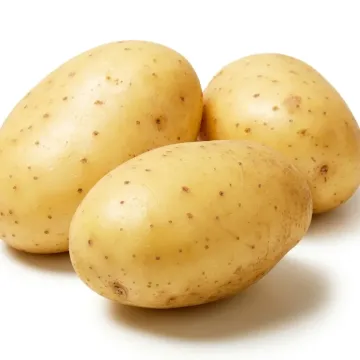

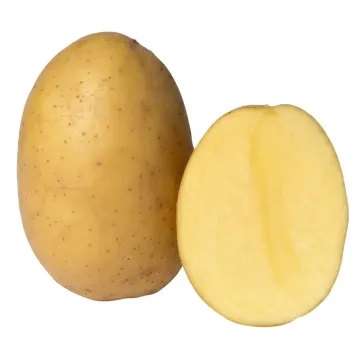



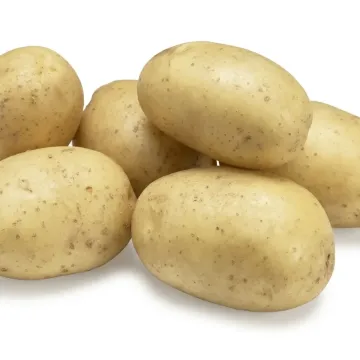


Polesky Rozovy / Poliska Rozhova
Polissia DS named after O.M. Zasuhin
Potato
0
0
No offers
—
Details




Community
Discussion
No discussions yet — be the first.