

Description
Symptoms
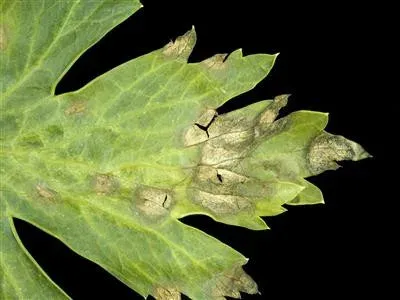
The primary symptom of eyespot is the development of oval-shaped lesions on the lower leaf sheaths, which eventually extend to the stem. These lesions often resemble an 'eye' with a dark brown border and a light-colored center.
As the infection progresses, the lesions deepen into the stem, weakening its structural integrity. This leads to softened or brittle stems that cannot support the weight of the developing grain head.
Inside the hollow stem, a greyish, fluffy mycelial growth may become visible. This indicates that the fungus has successfully colonized the interior tissue, further compromising the plant.
Severely infected plants often show symptoms of premature ripening, resulting in stunted ears or pinched, shriveled grains. In many cases, the weakened base causes the plants to lodge in a tangled, uneven manner.
- Elliptical lesions ('eyes') on the stem base.
- Softening and necrotic patches on the stem.
- Lodging of stems during grain filling.
- Grey fungal mycelium inside the stem.
- Stunted growth and poor grain development.
Pathogen
Eyespot is caused by the fungi Oculimacula yallundae and Oculimacula acuformis, formerly known as Pseudocercosporella herpotrichoides. It is a major fungal disease affecting the stem base of cereal crops.
The pathogen survives in the soil and on crop debris, such as stubble from previous harvests. The fungal mycelium remains dormant during dry conditions and becomes active under moist environmental parameters.
During the growing season, spores (conidia) are produced on infected tissues and spread via rain splash to the lower stem sections of healthy plants. This allows the disease to propagate within the field.
Once the fungus reaches the leaf sheaths, it penetrates the stem tissue, initiating the characteristic lesions. The lifecycle is deeply influenced by the duration of moist periods near the soil surface.
Infection severity is determined by the concentration of inoculum in the soil and the susceptibility of the cereal variety being grown in the specific field.
Conditions for development
Eyespot development is heavily favored by cool, damp weather conditions, particularly during the autumn tillering stage and early spring growth. Temperatures between 5°C and 15°C are ideal for the fungus.
High humidity levels and frequent rainfall during the early season promote the splashing of spores, which is the main mechanism for local disease dispersal within a crop.
Fields with poor drainage or heavy clay soils are particularly susceptible, as these environments maintain the high moisture levels required for the fungal colonization of plant stems.
High planting densities create a dense canopy that restricts airflow and keeps the base of the stems wet for longer durations, significantly increasing the probability of a successful infection.
Cropping practices that involve continuous wheat cultivation without rotation lead to a buildup of inoculum in the soil, making it increasingly difficult to control the disease.
Why it matters
The most severe economic impact of eyespot is lodging, which can cause significant yield loss. Lodging makes mechanical harvesting difficult and increases grain waste during the harvest operation.
The disease interferes with the transport of water and nutrients from the roots to the head. This disruption results in lower grain weights, reduced grain quality, and lower milling potential.
In cases of heavy infection, the entire crop may collapse, leading to substantial yield reductions. It also compromises the vigor of the plant, making it more prone to drought stress later in the season.
Seed quality is often adversely affected, producing grain that does not meet standard market requirements. The reduced kernel size and weight lead to lower profitability for farmers.
Furthermore, the damage to the stem base makes the plant more susceptible to other opportunistic pathogens, creating a compound effect that degrades overall crop performance.
Protection
Effective crop rotation is the cornerstone of eyespot management. Growing non-host crops for at least two to three years helps reduce the soil-borne inoculum levels significantly.
Implementing proper tillage practices, such as burying crop residues deeply, aids in faster decomposition of infected stubble and reduces the survival rate of the fungus.
Choosing resistant or tolerant cereal varieties is a highly effective strategy. Genetic resistance reduces the need for chemical intervention and provides a stable defense throughout the growth cycle.
Fungicide application during the spring, specifically at the growth stage of tillering, can be highly effective if the disease threshold is exceeded. Proper timing is critical for chemical success.
Managing planting density and avoiding early drilling dates can prevent the creation of a microclimate that is conducive to the fungus, thus lowering the risk of early-season infection.
Reference
Connections · Eyespot
Most often together:
Marketplace
Products · 137


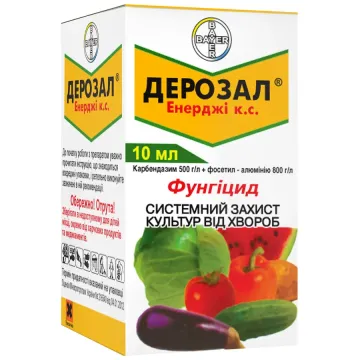
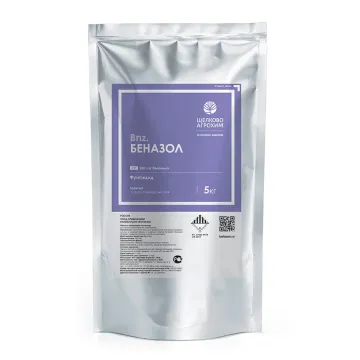


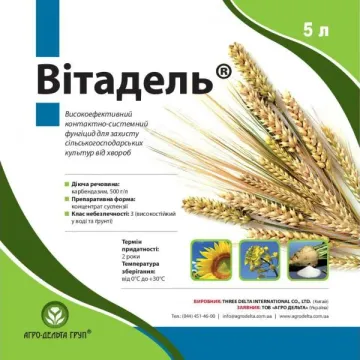


Carbendazim 500 g/l
Jiangsu Institute of Ecomones Co., Ltd.
Fungicides
0
0
24 offers
1.09 €per 1 l
Buy


Dow, c.c.r., Fungicide (Propiconazole, 200 g/l + Tebuconazole, 200 g/l)
Shchelkovo Agrochem
Fungicides
0
0
1 offer
22.51 €per 1 l
Buy
Community
Discussion
No discussions yet — be the first.