


SKU #44031
·
160 views
Mia
Potato
NORIKAUser rating
0 votes0% positive reviews
No ratings yet — be the first.
Direction
Table Potato
Corm; shape
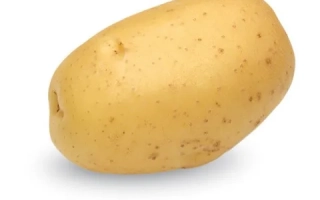
Oval-rounded
Corm; skin color
Yellow
Corm; skin structure
Smooth
About product

The Mia potato variety is a high-yielding, early-maturing table variety developed by the German breeder Wolfgang Walter and included in the State Register of Cultures of the Russian Federation in 2019. Plants of this variety have an intermediate type, are spreading, and vary from medium to tall height. Leaves are large, light green in color, and flowering is white with medium intensity. The root s…
Direction
Table Potato
Corm; shape
Oval-rounded
Corm; skin color
Yellow
Corm; skin structure
Smooth
Description
The Mia potato variety is a high-yielding, early-maturing table variety developed by the German breeder Wolfgang Walter and included in the State Register of Cultures of the Russian Federation in 2019. Plants of this variety have an intermediate type, are spreading, and vary from medium to tall height. Leaves are large, light green in color, and flowering is white with medium intensity. The root system is well developed, and on average, 9 to 12 large tubers form per plant.
The tubers of the Mia variety have a correct oval shape with small eyes, smooth yellow skin, and dark yellow flesh. The average weight of one marketable tuber ranges from 102 to 132 grams, with a marketability of 79-92%. The starch content is between 13.4-15.4%, ensuring excellent taste qualities. The potato is slightly soft when cooked, making it versatile for various cooking methods: boiling, frying, baking, and stuffing. The harvest has good storage capacity (about 94%) and retains quality during transportation.
The Mia variety exhibits high resistance to several diseases, including potato cancer, golden cyst nematode, iron-stained leaf spot, black leg, and rizoctonia, as well as moderate resistance to phytophthora. Yield ranges from 216 to 291 centners per hectare, reaching up to 490 centners under favorable conditions. Due to its adaptability, resilience to various soils and climatic conditions, and excellent taste, the Mia potato is an outstanding choice for cultivation and consumption.
The tubers of the Mia variety have a correct oval shape with small eyes, smooth yellow skin, and dark yellow flesh. The average weight of one marketable tuber ranges from 102 to 132 grams, with a marketability of 79-92%. The starch content is between 13.4-15.4%, ensuring excellent taste qualities. The potato is slightly soft when cooked, making it versatile for various cooking methods: boiling, frying, baking, and stuffing. The harvest has good storage capacity (about 94%) and retains quality during transportation.
The Mia variety exhibits high resistance to several diseases, including potato cancer, golden cyst nematode, iron-stained leaf spot, black leg, and rizoctonia, as well as moderate resistance to phytophthora. Yield ranges from 216 to 291 centners per hectare, reaching up to 490 centners under favorable conditions. Due to its adaptability, resilience to various soils and climatic conditions, and excellent taste, the Mia potato is an outstanding choice for cultivation and consumption.
Crop & resistance
Crop
Disease resistance
Pest resistance
Specifications hover over for a hint about the specification
|
Direction
Direction
Existing varieties and types of cabbage are grown for fresh consumption, long-term storage, and technical processing. |
|
|---|---|
| Corm; shape | |
| Corm; skin color | |
| Corm; skin structure | |
| Cormorant; eye depth | |
| Corm; mass | 50-130 grams |
| Starch Content | 13-14% |
| Flavor Characteristics | |
|
Beginning of fruiting
Beginning of fruiting
The early maturity of watermelon varieties mainly depends on the duration of growth and fruit ripening phases, rather than the timing of female flower blooming. Many varieties, ripening at different times, begin to bloom almost simultaneously. Approximately 30 days after fruit se... |
75-85 days |
| Registration year | 2023 |
| Catalog | Catalog → Potato |
| Manufacturer | NORIKA |
| Legal data |
Show · 23
|
| Country | Germany |
Store offers
Prices are updated on loadLoading offers…
Aggregator catalog: prices are collected automatically from store websites, normalized by AI and converted at the current exchange rate. Before ordering, confirm the price and availability on the store's website. This block is not indexed by search engines — the data is loaded after the page opens.
Not yet комментариев. Be the first!
Alternatives
Seed potatoes · similar varieties




See also
Often considered together with this variety




Recently viewed
Products you’ve viewed on this site
Reviews · 0