
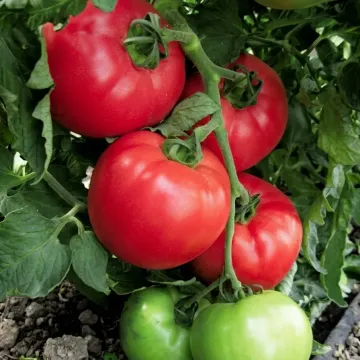
Verticillium wilt
Verticillium wilt
Description
Symptoms
The primary symptom is the wilting of leaves, which often starts with the lower leaves or on one side of the plant. This wilting is typically more pronounced during hot, sunny weather and may appear to recover at night.
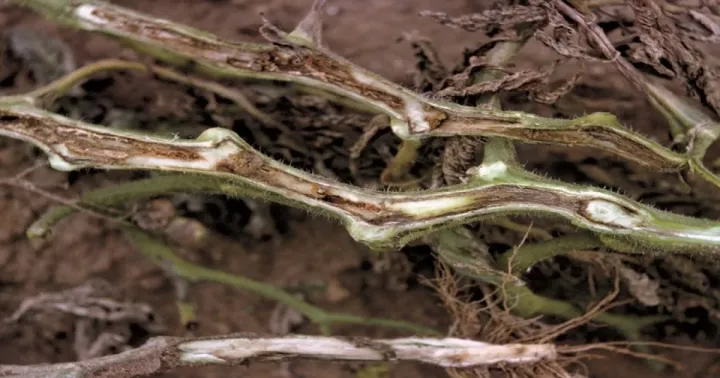
A classic diagnostic sign is the discoloration of the vascular system. When a stem or petiole is cut diagonally, you can often see a brown or darkened ring within the inner tissue, indicating the presence of the fungus.
Chlorosis (yellowing) often develops between the veins of the leaves, creating a mottled or marbled appearance. Eventually, these yellow areas turn necrotic (brown and dry) while the leaf veins may remain green for some time.
In advanced stages, the entire plant may collapse and die suddenly. In perennial species, the infection can cause chronic stunted growth, reduced foliage, and dieback of branches over several growing seasons.
Unlike some other root rots, the roots of plants with Verticillium wilt often appear healthy externally, as the disease is primarily confined to the vascular system rather than decaying the root cortex.
Pathogen
Verticillium wilt is caused by soil-borne fungi of the genus Verticillium, most commonly Verticillium dahliae and Verticillium albo-atrum. These pathogens form survival structures called microsclerotia that remain viable in the soil for many years.
The infection begins when fungal propagules germinate and penetrate the roots of a host plant. Once inside, the fungus invades the xylem (water-conducting tissue), where it colonizes and produces spores that are carried upward by the plant's sap flow.
As the fungus grows and multiplies within the vessels, it produces gels, tyloses, and toxins that physically block the movement of water and nutrients. This results in the characteristic wilting symptoms observed in the plant.
The pathogen is highly versatile, affecting a vast range of hosts including agricultural crops like peanuts, fodder beets, winter rapeseed, turnips, cannabis, and peppers. It also affects ornamental plants such as Browallia speciosa and Calceolaria.
The fungus is easily spread by contaminated soil, infected seeds, plant transplants, and even infested garden tools or agricultural machinery.
Conditions for development
The development of the disease is highly dependent on temperature. The fungus thrives in cool to moderate soil temperatures, typically between 20°C and 25°C (68–77°F). Development may slow down significantly in very hot or very cold soil.
Moisture availability plays a critical role in the initial infection and movement of the fungus. Stress caused by irregular irrigation or poor soil structure can make plants more susceptible to successful fungal colonization.
Soil pH and fertility levels influence the activity of Verticillium. Microsclerotia are highly resilient and can withstand freezing, drying, and various chemical treatments, making the fungus extremely difficult to eradicate from infested land.
Continuous cropping of susceptible species leads to a rapid increase in the inoculum density within the soil. Even the presence of weeds can serve as alternate hosts, keeping the pathogen population high in the absence of a primary crop.
Favorable conditions for infection also include high nitrogen levels, which can promote lush, succulent growth that is more vulnerable to the pathogen compared to hardy, well-balanced plants.
Why it matters
The economic impact of Verticillium wilt is significant, leading to severe yield losses in both quantity and quality. Infected plants often produce smaller, inferior fruits or fail to reach marketable size.
For industrial and forage crops, the disease reduces the overall biomass and nutritional value, which negatively affects livestock production and downstream processing efficiency.
Ornamental plants lose their aesthetic value quickly, resulting in total loss for nurseries and greenhouse operations. The systemic nature of the disease makes it impossible to "cure" an infected plant.
The long-term persistence of the fungus in the soil creates a permanent threat to future planting cycles. Land infested with Verticillium requires strict quarantine or the use of expensive soil sterilization techniques before it can be used for sensitive crops again.
The pathogen's ability to survive in various forms and on multiple host species makes it a persistent challenge for integrated pest management systems globally.
Protection
The most effective management strategy is crop rotation, using non-host species for several years. This reduces the number of microsclerotia in the soil to a level where susceptible crops can be grown safely.
Selecting resistant or tolerant cultivars is the cornerstone of control. Plant breeders have developed several varieties specifically for their resistance to Verticillium, which should be the first choice for infested areas.
Sanitation practices are essential. Removing and destroying infected plant debris (rather than composting it) prevents the buildup of the fungal population in the soil for the next season.
Biological control methods are gaining popularity, involving the introduction of antagonistic microorganisms like Trichoderma species to suppress the fungal growth in the root zone.
- Use of certified, disease-free seed and nursery stock.
- Implementation of soil solarization to reduce fungal viability.
- Avoidance of over-fertilization, especially with nitrogen.
- Strict cleaning of tools and machinery to prevent moving infested soil between fields.
In brief
46
Affects crops
Biology
Pathogens and affected parts
Pathogens
Affected plant parts
whole plant
Content graph
Affects crops · 46
AlfalfaAlmondApricotAvocadoBrowallia speciosaCalceolariaChickpeaCommon hopCommon sunflowerCottonDuracina cherryElmField mintFodder beetFuchsiaGerbera jamesoniiGrapevineHempImpatiensIvy-leaved pelargoniumJerusalem artichokeJerusalem cherryLettuceMangoPapayaPeachPeanutPelargoniumPepperPeppermintPistacia veraPotatoRadishRaspberryRoseSafflowerScented geraniumSour cherrySpearmintSpinachStrawberryTobaccoTurnipWatermelonWinter barleyWinter rapeseed
Content graph
Connections · Verticillium wilt
Most often together:
Marketplace
Products · 1005
All 1005
Tomato 1005
Tulips 324
Pepper 123
Wild Strawberry, Strawberry 33
Lucerne 28
Hops 25
Sea Buckthorn 15
Lettuce 13
Eggplant 13
Rapeseed 7
Cucumber 5
Radish 4
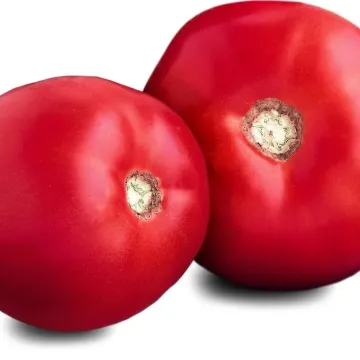
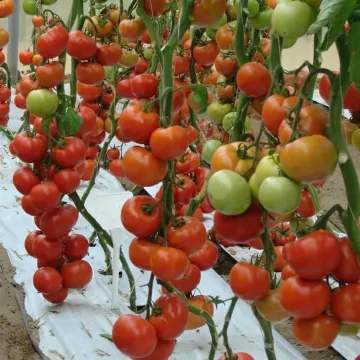


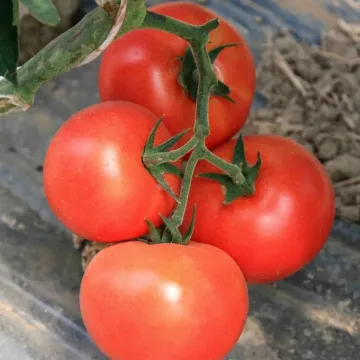
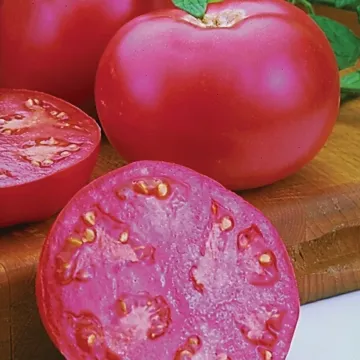
Pink Lady F1 / Pink Girl F1
Seminis Vegetable Seeds
Tomato
19
8
·
12K
5 offers
11.22 €per 1000 seeds
Buy









Community
Discussion
No discussions yet — be the first.