

Description
Mode of action
Sulfur (S) is an essential macronutrient that acts as a structural component of proteins and enzymes in plants. It is fundamental to the formation of sulfur-containing amino acids such as methionine and cysteine, which are building blocks for plant tissue.
Beyond protein synthesis, sulfur is involved in the metabolic activities of chlorophyll, ensuring that leaves maintain their photosynthetic capacity. It also participates in the production of various plant hormones and secondary metabolites that define plant flavor and defensive chemistry.
The nutrient is vital for nitrogen metabolism. Without adequate sulfur, plants cannot process nitrogen effectively to form complete protein chains, leading to reduced growth rates and poor quality of harvested crops, particularly in oilseeds and legumes.
Sulfur helps in the activation of metabolic enzymes and promotes the development of oil-rich seeds. Its role in the cell membrane stability and oxidation-reduction balance makes it indispensable for crop resilience against biotic and abiotic stressors.
Effective sulfur uptake contributes to better sugar accumulation in fruits and vegetables, improving market quality. It is a cornerstone for high-yielding agricultural production systems around the world.
What it targets
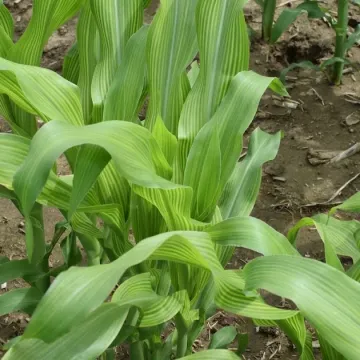
Deficiency symptoms often appear first on younger leaves as a pale-yellow discoloration, known as chlorosis. Because sulfur is relatively immobile within the plant, these visual cues are distinct from nitrogen deficiency, which typically appears on older leaves first.
Stunted plant growth and reduced leaf size are common markers of a sulfur-deficient environment. Plants may also show thin stems and delayed maturity, significantly impacting the timing and success of the harvest.
Excessive sulfur levels can lead to leaf scorch, premature senescence, and toxicity symptoms that hinder overall development. Soil salinity issues may also arise if sulfate concentrations exceed acceptable agricultural standards.
Accurate diagnosis requires soil testing and tissue analysis. Agronomists often focus on sulfur availability in high-leaching soils, such as sandy soils, where the nutrient levels drop rapidly during the rainy season.
- Ammonium sulfate
- Single superphosphate
- Potassium sulfate
- Magnesium sulfate
- Gypsum
Rates and timing
The timing of sulfur application is usually aligned with peak growth stages. For many crops, split application—partly at sowing and partly as an early spring top-dressing—is highly recommended to maximize efficiency and prevent leaching.
Application rates depend heavily on crop requirements. Oilseed crops like canola (rapeseed) have a very high demand for sulfur and require targeted fertilization to ensure successful oil content development and high yields.
Soil testing determines the exact quantity of sulfur required, considering the existing organic matter content. Soils high in organic matter may naturally release sufficient sulfur through mineralization under warm and moist conditions.
Foliar feeding provides a rapid correction method when hidden hunger or early deficiency is spotted. This ensures the plant remains productive during critical growth periods like flowering or grain filling.
Proper nutrient management involves maintaining a balanced ratio between nitrogen and sulfur. For most cereals, an N:S ratio of roughly 10:1 to 15:1 is considered ideal for metabolic efficiency and protein production.
Restrictions
Care must be taken to avoid placing high concentrations of sulfur fertilizers too close to germinating seeds, as this can create a osmotic environment that inhibits germination and seedling survival.
Long-term use of physiologically acidic sulfur fertilizers can lower soil pH, necessitating periodic soil liming to maintain an optimal environment for nutrient availability and beneficial soil microorganisms.
During dry weather, solid fertilizers may remain ineffective for extended periods. It is critical to plan application around soil moisture availability to ensure that sulfate ions become accessible to the root system.
Before applying sulfur in tank mixtures with pesticides, compatibility tests are mandatory to avoid chemical precipitation or reduction in crop protection efficacy. Always follow local agricultural guidelines for product use.
Farmers operating in sensitive ecological zones should monitor sulfur application to prevent potential runoff into water bodies, which can have localized impacts on water chemistry and aquatic health.
Content graph
Connections · Colloidal sulfur
Most often together:
Marketplace
Products · 4


