
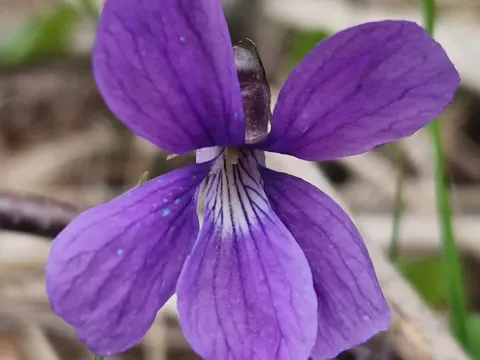
Bog violet
Viola uliginosa
The bog violet (Viola uliginosa) is a perennial herbaceous plant belonging to the Violaceae family. It is distinctively adapted to wetland environments, typically found in marshy meadows and along the edges of water bodies.
What the section contains
Bog violet
Native to parts of Europe and Asia, this species exhibits a rhizomatous growth habit, which allows it to form extensive colonies in saturated, nutrient-rich soils. Its biological structure is finely tuned to high water tables.
When cultivating this plant, one must ensure a consistently wet soil profile. It thrives in locations where the substrate never fully dries out, making it an excellent choice for bog gardens or pond margins.
The plant performs best in partial to full shade. While it can tolerate some sun, excessive heat without adequate root moisture will cause the plant to wilt and decline rapidly in vigor.
In terms of agricultural and horticultural use, the bog violet serves as an effective ground cover for wet areas where standard lawn grasses would fail to thrive due to waterlogging.
Fungal pathogens represent the most significant threat to the bog violet, particularly when stagnant water conditions coincide with cold temperatures, leading to various types of crown rot.
Gastropod pests, including slugs and snails, are particularly problematic as they find the tender, succulent leaves of this species highly attractive, especially during humid or rainy weather.
Aphid infestations may occur during the flowering season, clustering on the stems and flower buds, which can hinder the plant's reproductive success and aesthetic value.
Insufficient air circulation within dense patches can lead to the development of mildew or other foliage diseases, necessitating careful spacing during the initial planting phase.
Integrated pest management strategies are recommended, focusing on maintaining plant hygiene and minimizing the use of chemicals to protect the fragile wetland ecosystem where these plants are typically grown.