
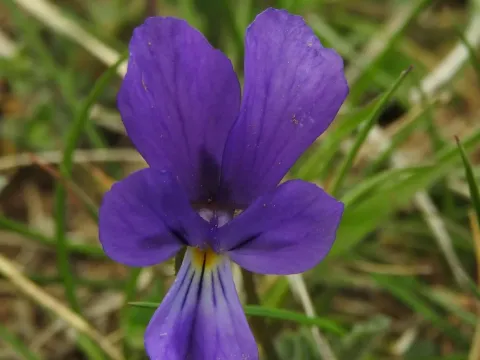
Bubani's violet
Viola bubanii
Bubani's violet (Viola bubanii) is a perennial herbaceous plant belonging to the Violaceae family. It is a distinctive species endemic to the high mountain ranges of the Pyrenees, typically found at elevations ranging from 1,500 to 2,500 meters.
What the section contains
Bubani's violet
Botanically, this species is well-adapted to harsh alpine environments. It features a basal rosette of leaves and an efficient root system designed to extract nutrients from skeletal, rocky soils. The flowers are typically violet to purple, characterized by the typical structure of the genus Viola.
Cultivation requirements are strict due to the plant's alpine nature. It thrives in well-drained, slightly acidic to neutral soils. In garden settings, it is best placed in rock gardens or scree beds where the substrate mimics the porosity of its native mountain habitat.
The plant demands a cool climate and excellent air circulation. Excessive heat and humidity during the summer months are detrimental to its health. It is recommended to provide partial shade in lowland regions to protect the foliage from scorching sunlight.
Regarding agrotechnical practices, irrigation should be carefully managed to avoid soil waterlogging, which often leads to root rot. Propagation is typically achieved via seeds sown in early spring or by careful division of established, healthy clumps.
The primary threats to Viola bubanii include various fungal pathogens that flourish in stagnant, humid environments. Root rot and damping-off are common issues if the drainage is insufficient or if the soil remains overly wet for extended periods.
Pests such as aphids and spider mites can infest the plants, particularly when they are stressed by improper environmental conditions. Effective management involves maintaining good air movement and using targeted biological or chemical control if an infestation is detected.