
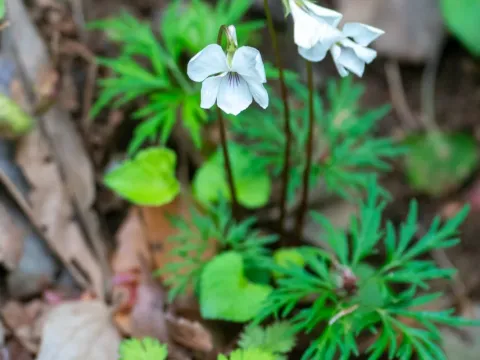
Chaerophyllum-leaved violet
Viola chaerophylloides
Sowing seeds of Viola chaerophylloides is best performed in the autumn to allow for natural cold stratification during the winter months.
What the section contains
Chaerophyllum-leaved violet
For container-grown specimens, seeds should be sown in late winter and kept at cool temperatures to break dormancy effectively.
Surface sowing is recommended as the seeds require a small amount of light to germinate properly in a moist, sterile seed-starting mix.
Vegetative propagation by division is another reliable method, best executed in early spring or late August when the plant is not in active bloom.
Space the plants at intervals of 20 to 25 centimeters to ensure adequate airflow and prevent the development of moisture-related issues.
Viola chaerophylloides, belonging to the Violaceae family, is a perennial herb characterized by its distinct, deeply dissected foliage.
The plant thrives in partial shade, mimicking its natural woodland habitat where it is protected from harsh midday sunlight.
A well-draining, humus-rich soil with a neutral to slightly acidic pH is ideal for promoting healthy root system development.
Consistent soil moisture is essential; however, irrigation should be managed to avoid waterlogging, which the species finds detrimental.
Mulching the area around the base of the plant helps maintain soil temperature and moisture, mirroring the leaf-litter environment of its origin.
The primary use of this species is ornamental, serving as an excellent ground cover or an accent plant in shade gardens and rockeries.
Under optimal conditions, the plant produces a dense display of foliage and flowers, enhancing the aesthetic appeal of the garden landscape.
Yield, in terms of floral production, depends significantly on adequate nutrients and light conditions provided during the growing season.
Viola chaerophylloides shows good resilience in temperate zones, making it a reliable choice for gardeners looking for durable shade-loving perennials.
Proper maintenance ensures the plants remain vigorous, allowing for sustained ornamental output across multiple years in the same location.
Fungal diseases, particularly powdery mildew and leaf spot, are the most common threats that manifest when ventilation is insufficient.
Pests like spider mites and aphids can become problematic during dry, warm spells, necessitating regular monitoring of the underside of leaves.
Slugs and snails are notorious for causing physical damage to the delicate leaves and should be managed with organic or mechanical deterrents.
Root rot is a frequent consequence of poor drainage or overwatering, which requires immediate adjustment of the irrigation schedule.
Implementing a regular pest and disease inspection routine allows for early intervention, significantly reducing the impact on plant vitality.
Seed harvesting should be performed as the seed pods begin to dry and change color, but prior to their natural dehiscence.
Remove spent flower stalks throughout the growing season to encourage new blooms and prevent energy depletion in the root system.
Sanitary pruning should occur in late autumn, removing dead or diseased foliage to prepare the plant for the dormancy period.
Collected materials should be stored in cool, dry conditions to maintain viability if they are intended for future propagation.
By following these harvesting and maintenance practices, gardeners can ensure the longevity and decorative quality of their violet collection.