
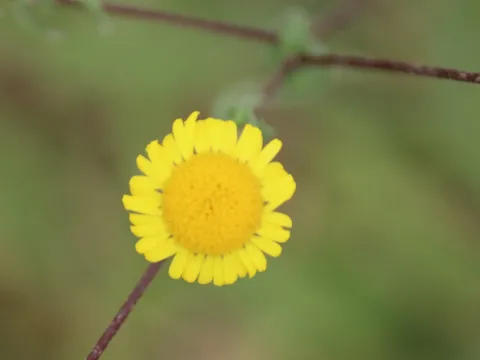
Vicoa auriculata
Vicoa auriculata
Vicoa auriculata is a perennial herb native to tropical and subtropical regions of Asia. For agricultural purposes, sowing is typically carried out in the spring once soil temperatures reach a stable range of 20 to 25 degrees Celsius, ensuring favorable conditions for germination.
What the section contains
Vicoa auriculata
The ideal substrate for sowing should be well-draining, lightweight, and nutrient-rich. Seeds are sown at a shallow depth of approximately 0.5 to 1 centimeter, as they require light to stimulate the initial stages of development and successful emergence.
During the germination phase, it is crucial to maintain consistent, moderate soil moisture without allowing it to become waterlogged. Waterlogging can lead to seedling decay, so providing a gentle mist or drip irrigation is recommended for best results.
Once seedlings develop two to three true leaves, they are ready for transplantation to their final growing site. Proper spacing of 30-40 centimeters is essential to ensure adequate airflow and root development for each individual plant.
The crop is well-suited for outdoor cultivation in high-light environments. Regular exposure to sunlight is a key factor in promoting healthy stem growth and the accumulation of vital secondary metabolites within the plant tissue.
Belonging to the Asteraceae family, Vicoa auriculata thrives in warm, sunny climates. It is highly resilient to direct sunlight and can tolerate short periods of moderate drought once established, making it a robust choice for tropical agriculture.
The soil should be loamy or sandy with a neutral to slightly acidic pH. Excellent drainage is non-negotiable, as the plant is sensitive to the accumulation of excess water around the root collar, which can cause significant damage to the plant's vascular system.
While the plant can adapt to poor soil conditions, supplemental organic fertilization during the active growth stage significantly boosts biomass production. Its natural hardiness makes it a low-maintenance crop in its native regions.
The optimal temperature range for development is between 22 and 30 degrees Celsius. Temperatures dropping below this range or persistent cold snaps are harmful, often leading to stunted growth or complete loss of vegetation, requiring careful monitoring in cooler environments.
Agronomic management includes regular loosening of the soil between rows to improve aeration. This practice prevents soil compaction, encourages root penetration, and ensures efficient uptake of moisture and essential nutrients from the lower soil layers.
The primary economic value of Vicoa auriculata lies in its utilization as medicinal raw material. Yield optimization depends heavily on ecological factors and the timeliness of agronomic interventions performed throughout the vegetative growth period.
Pharmacological interest focuses on the leaves and stems, where the concentration of active components, such as sesquiterpene lactones, peaks. Harvesting is most effective during the full flowering stage, which marks the highest point of physiological activity.
Achieving high yields requires maintaining optimal planting density and consistent care. Professional cultivation practices allow producers to forecast output levels reliably, meeting the specific quality requirements of the herbal medicine market.
Economic profitability is driven by the steady demand for natural herbal ingredients. Efficient drying processes immediately following the harvest are critical to preserving therapeutic properties, which in turn determines the final market value of the crop.
Yield is measured by the dry mass of the harvestable plant parts. Refining the drying and storage process minimizes post-harvest losses and ensures that the final product reaches the customer with maximum potency and quality.
Fungal diseases are the primary threat, often resulting from excessive soil moisture or high relative humidity in the air. Conditions such as powdery mildew can spread rapidly if air circulation between plants is insufficient.
Pests, particularly spider mites and various aphid species, frequently attack the crop during dry spells. These pests damage the foliage and sap, significantly reducing plant vigor and potentially lowering the overall medicinal value of the harvest.
Disease prevention centers on proper crop rotation and the rigorous removal of weeds, which often serve as hosts for pathogens. Enhancing aeration through correct spacing is a highly effective prophylactic measure against disease outbreaks.
Biological pest control methods are prioritized for Vicoa auriculata because of its pharmaceutical application. Reducing reliance on synthetic pesticides ensures that the raw material remains clean and suitable for high-quality herbal products.
Weekly monitoring of the plantation allows for early detection of pest infestations. Prompt intervention, such as removing infected leaves, helps to contain problems before they affect the entire field, preserving crop integrity.
Harvesting should occur during dry, sunny weather to facilitate the drying process and prevent mold development. Using clean, sanitized tools is essential to ensure precise cuts and minimize stress or mechanical damage to the remaining plant tissues.
After collection, the biomass undergoes a sorting process to remove debris, weeds, and damaged sections. Speed is crucial here; the material must be moved to the drying area as quickly as possible to maintain freshness and prevent degradation.
Drying is carried out in shaded, well-ventilated areas to prevent direct sun damage to active compounds. Spreading the material in thin layers allows for consistent moisture removal, ensuring that the final dried product retains its quality.
Once dried to the correct moisture level, the raw material is packaged in breathable paper bags to maintain quality during storage. The storage facility must be cool, dry, and protected from light to maintain the medicinal efficacy of the product.
Quality control checks are conducted post-drying to detect any signs of moisture or deterioration. Properly dried Vicoa auriculata will maintain its color and characteristic profile, ensuring it meets standards for long-term storage and export.