
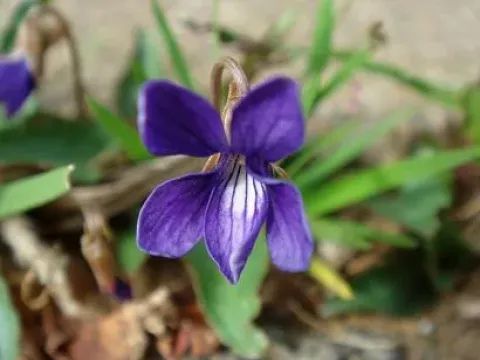
Viola minor
Viola minor
Sowing of Viola minor seeds is typically performed in the autumn to ensure the material undergoes natural stratification during the winter months. Alternatively, spring sowing in March or April can be practiced, provided the seeds have been cold-treated to break dormancy and increase germination rates.
What the section contains
Viola minor
The selection of an appropriate site is crucial; fields should be well-drained with loose, friable soil structure. Since Viola minor seeds are relatively small, they should be planted at a shallow depth of approximately 0.5 cm, as excessive soil cover can inhibit emergence.
For commercial cultivation, rows should be spaced at 30 to 45 cm intervals. This spacing provides enough space for aeration and helps in the mechanical management of weeds, while also ensuring that the leaf canopy does not become overly dense, which could lead to humidity-related diseases.
After seeding, the surface should be gently pressed to ensure close contact between the seeds and the soil. During the germination period, maintain light moisture in the topsoil through intermittent misting or gentle irrigation to prevent the formation of a surface crust that could trap seedlings.
Seedlings usually emerge within two to three weeks under favorable soil temperatures (15-18°C). Once the plants reach the seedling stage, thinning is recommended to maintain optimal plant density, ensuring each plant has sufficient access to sunlight and soil nutrients.
Viola minor, a member of the Violaceae family, thrives in moderately moist, humus-rich soils. It exhibits a preference for loamy or sandy loam textures with a pH range between 6.0 and 7.0, which allows for optimal nutrient availability for healthy vegetative growth.
While the plant is generally photophilous, it shows good adaptability to semi-shaded conditions, which can be advantageous in climates with high solar intensity. Proper site selection must also account for drainage; waterlogged soils must be avoided as they significantly increase the risk of root rot.
The ideal temperature range for active growth is between 18°C and 22°C. In regions experiencing prolonged dry spells, consistent irrigation is necessary, particularly as the plant possesses a relatively shallow root system that cannot tap into deeper moisture reservoirs.
Balanced fertilization programs are essential for maximizing biomass. Incorporating organic compost before planting improves soil structure, while supplemental nitrogen application during the early growth phase promotes foliage development. Potassium and phosphorus are key during the pre-flowering stage.
Viola minor displays good winter hardiness; however, in regions with severe, snowless winters, mulching with straw or leaf mold is recommended to protect the root zone from freezing temperatures and sudden fluctuations that might cause winterkill.
Yields of Viola minor are heavily dependent on field management, plant density, and harvest timing. Under intensive cultivation practices, a well-managed crop can yield between 3,000 and 5,000 kilograms of green biomass per hectare per growing season, depending on the cutting frequency.
Productivity typically peaks during the second and third years after establishment. After this period, the plant vigor often declines, and replanting or rotational cropping is advised to maintain economic sustainability and prevent the build-up of soil-borne pathogens.
The primary harvest for pharmaceutical or herbal use is conducted during the full flowering stage. It is at this specific biological phase that the concentration of secondary metabolites, such as flavonoids and saponins, is at its highest, ensuring maximum product quality.
Post-harvest handling is critical; the harvested biomass should be moved quickly to drying facilities. Preventing the material from staying in heaps is essential to avoid fermentation, which can lead to rapid degradation of bioactive compounds and a loss of product color.
Quality control after drying involves removing foreign matter such as soil particles or other weeds. Achieving a uniform moisture content of under 14% is mandatory for safe, long-term storage and maintaining the shelf-life of the dried herb.
The most common disease affecting Viola minor is powdery mildew, which thrives in high humidity and stagnant air. Management strategies include maintaining adequate row spacing to improve air circulation and applying sulfur-based fungicides when environmental conditions are conducive to fungal spread.
Root rot, often caused by soil-borne pathogens like Pythium or Phytophthora, represents a major risk, especially in poorly drained fields. Implementing strict crop rotation cycles and ensuring good soil drainage are the most effective preventative measures against these pathogens.
Pests such as slugs and snails are particularly problematic during wet, cool seasons. They can cause significant damage to young leaves and growing points. Protective measures include the use of physical barriers or targeted, eco-friendly baits to mitigate damage.
Aphids and spider mites may also infest the plants, causing leaf distortion and reduced photosynthesis. If infestations reach economic thresholds, application of selective, biorational insecticides is recommended to manage the pest populations without leaving harmful residues on the crop.
Integrated Pest Management (IPM) practices should be followed, focusing on weed control in and around the fields, as these act as host reservoirs for various viruses and pests. Consistent field sanitation is the foundation for a healthy Viola minor plantation.
Harvesting should only occur on dry days after the morning dew has completely evaporated. The presence of moisture on the harvested material increases the risk of mold growth during transport and storage, significantly reducing the market value of the raw material.
Mechanical harvesting is typically performed using forage harvesters with adjustable cutting heights, ensuring that a portion of the plant base remains to allow for regrowth if a second harvest is planned for the same season.
During the loading process, the material should not be compressed, as airflow must be maintained to keep the biomass cool. Transport to the drying shed should take place within a few hours of cutting to maintain the integrity of the plant tissues.
Drying is conducted in specialized, ventilated chambers at temperatures not exceeding 40°C. This temperature control is vital for preserving the delicate oils and pharmacological constituents that define the quality of the harvested product.
Final storage is in breathable containers such as paper or jute sacks, kept in a cool, dark, and dry environment. Protection from direct sunlight is crucial to prevent the fading of the natural green color and the breakdown of light-sensitive plant compounds.