
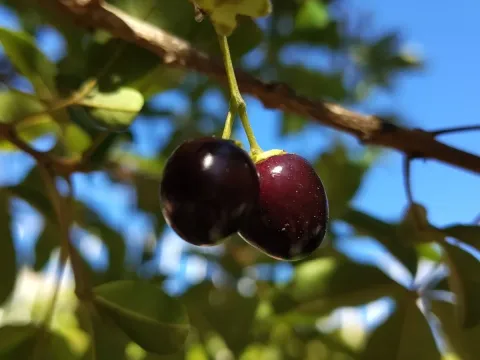
Vitex megapotamica
Vitex megapotamica
Vitex megapotamica is a plant species belonging to the Lamiaceae family, originating from the subtropical regions of South America where it thrives in warm, stable climates.
What the section contains
Vitex megapotamica
The crop requires fertile, well-drained soil with a slightly acidic to neutral pH level to ensure optimal nutrient uptake and robust vegetative development throughout the season.
High solar irradiance is a key requirement for this species; farmers should select locations that receive at least six to eight hours of direct sunlight daily.
While the plant exhibits some tolerance to occasional dry spells once established, consistent irrigation management is necessary to maximize yield and plant vigor.
In modern agriculture, it is studied for its potential as a source of secondary metabolites, making it an interesting candidate for specialized essential oil production.
Pathogenic fungi pose the most significant risk to Vitex megapotamica, particularly in environments where moisture levels are not properly regulated, leading to root decay.
Infestations of aphids and spider mites are frequent issues, especially during periods of low precipitation, as these pests thrive on stressed plant tissue.
Integrated Pest Management (IPM) strategies, including the use of beneficial predatory insects, are highly recommended to keep pest populations below the economic threshold.
Poor air circulation within the canopy often facilitates the development of powdery mildew, which can significantly reduce the photosynthetic capacity of the plants.
Sanitation measures, such as removing affected plant debris and ensuring proper spacing between rows, remain the best defense against recurring seasonal diseases.