
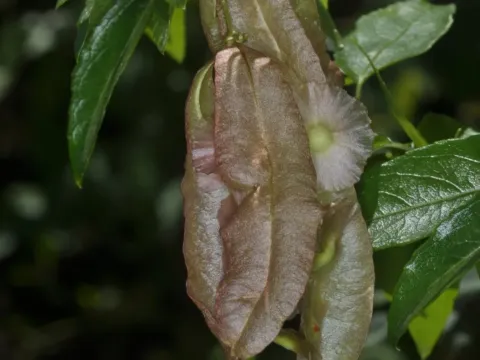
Anchietea
Anchietea
Anchietea is a genus of perennial lianas and shrubs belonging to the Violaceae family. These plants are native to the tropical and subtropical regions of South America, primarily flourishing in the humid environments of Brazilian forests.
What the section contains

Anchietea
The crop requires highly fertile, well-draining soil rich in organic matter to mimic its natural forest-floor habitat. It thrives best in environments where moisture is consistent, as the plant is sensitive to drought stress and fluctuations in water supply.
Climatic requirements involve stable warm temperatures, as Anchietea is strictly tropical and lacks tolerance for frost. It prefers filtered or indirect sunlight, making it suitable for shaded greenhouse conditions rather than exposed full-sun locations.
Humidity management is a critical factor in the successful cultivation of this genus. In professional settings, maintaining high relative humidity is necessary to prevent the leaves from drying out and to ensure healthy physiological development.
Regular fertilization is essential during the vegetative growth phase. A balanced nutritional program supports the development of the stems and foliage, while careful monitoring of soil pH ensures nutrient availability remains within optimal limits.
The primary threats to Anchietea in a controlled environment are sap-sucking insects, such as spider mites and mealybugs. These pests thrive in dry air conditions and can cause significant damage to the plant's photosynthetic capacity.
Fungal infections, particularly those affecting the root system, are common when soil aeration is poor or drainage is inadequate. Overwatering creates anaerobic conditions that favor the development of pathogens like Pythium or Fusarium.
Effective management involves maintaining high air circulation and performing periodic inspections for early signs of infestations. Integrated pest management practices should be employed, prioritizing biological controls over broad-spectrum chemicals.
Sanitation of growing space and equipment is vital to prevent the spread of soil-borne pathogens. Removing fallen leaves and spent plant material helps to maintain a clean environment and discourages the accumulation of fungal spores.
In cases of severe infection, targeted application of appropriate fungicides or acaricides is recommended. Always ensure that the chemical agents used are compatible with the sensitive nature of the tropical foliage of this species.