
Viburnum foetens
Viburnum foetens
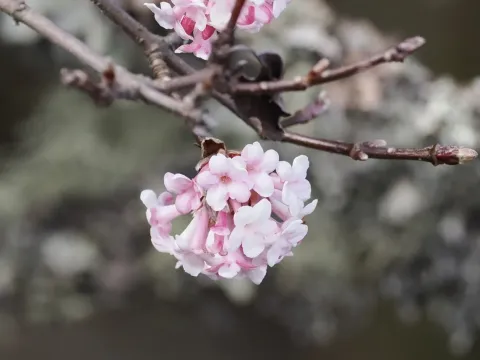
Viburnum foetens, known as the stinking viburnum, is a deciduous shrub belonging to the Adoxaceae family. This species originates from the Himalayan region, where it naturally thrives in mountainous terrain at significant altitudes.
What the section contains
Viburnum foetens
This shrub requires specific environmental conditions to prosper, specifically preferring cool, moist climates that mimic its native habitat. It performs best in nutrient-rich, well-draining soils that maintain consistent moisture without becoming waterlogged.
Regarding sunlight, Viburnum foetens appreciates locations with partial shade, especially in warmer climates where direct midday sun may cause scorching of the foliage. Proper site selection is vital for its long-term health and vigor.
Cultivation practices should emphasize the importance of mulching to retain soil moisture and regulate temperature around the root zone. Regular monitoring of soil pH is also recommended to ensure the plant can efficiently absorb necessary nutrients.
In terms of usage, the plant is predominantly valued as an ornamental specimen in botanical gardens and diverse landscape designs, appreciated for its distinctive biological traits and structural appeal in cool-temperate gardens.
The primary health concerns for Viburnum foetens include fungal infections like powdery mildew, which often develop during periods of high humidity and poor air circulation.
Insect pests such as aphids and leaf beetles can cause significant damage to the foliage and soft shoots, requiring integrated pest management strategies to mitigate infestations.
Maintenance includes periodic pruning, which is essential not only for shaping the shrub but also for increasing airflow through the branches, thereby reducing the risk of fungal outbreaks.
Integrated control measures involve using specific horticultural oils or systemic treatments when signs of infestation are identified early in the growing season.
Good garden hygiene, such as clearing debris from around the base of the plant, serves as a fundamental preventive step against various soil-borne pathogens and overwintering insect populations.